
Is Ear Syringing Still Available for Free on the NHS?
Updated: Jan 16

The above image is the very old method of ear wax removal (ear syringing) which is very different to ear irrigation. Ear 'syringing' is no longer permitted as all water methods of wax removal MUST be electronic as advised in NICE Guidelines.
Most British adults will experience ear wax build-up at some point, yet recent changes have made NHS ear wax removal less accessible than before. With over 2.3 million patients in the United Kingdom visiting healthcare providers for ear wax problems each year, finding safe and effective treatment now requires more planning. This guide demystifies the latest NHS policies, explains current removal options, and clarifies who qualifies for British public ear care.
Key Takeaways
Point | Details |
Home Management First | Patients are advised to try self-care methods, like ear drops, before seeking professional help for ear wax removal. |
Microsuction Preferred | Microsuction is the recommended clinical procedure for ear wax removal due to its effectiveness and minimised risk of damage. |
Policy Changes Impact Access | From July 2025, simple ear wax removal will not be performed in GP practices, pushing patients towards private care or specialised clinics. |
Eligibility Criteria | NHS ear wax removal services are reserved for patients with significant medical needs, such as hearing loss or a history of ear conditions. |
Ear Wax Removal on the NHS Explained
Ear wax removal on the National Health Service (NHS) involves a structured approach to managing ear health, focusing on patient safety and clinical best practices. While earwax is a natural protective substance in the ear canal, excessive build-up can cause discomfort and hearing difficulties. The NHS recommends initial self-care methods before considering professional intervention.
Most NHS guidelines suggest that patients first attempt home management techniques. Initial treatment involves using ear drops to soften the wax, which can help facilitate natural expulsion. Typically, patients are advised to use olive or almond oil drops twice daily for several days. This method allows earwax to gradually break down and potentially exit the ear canal naturally, especially when lying down at night.
If home treatments prove ineffective, the NHS may provide clinical interventions such as microsuction or irrigation. These procedures are performed by trained healthcare professionals who assess individual patient needs. The choice of removal method depends on the patient’s ear health, wax consistency, and potential risk factors. Microsuction, recommended by current National Institute for Health and Care Excellence (NICE) guidelines, involves using a small suction device to carefully remove wax under direct microscopic vision, minimising potential ear canal damage.

When seeking NHS ear wax removal, patients should first consult their general practitioner (GP) who can assess the severity of the wax build-up and recommend appropriate treatment. Some NHS trusts may have specific referral pathways or direct access clinics for ear care services.
Below is a summary of the main clinical techniques for ear wax removal and their typical uses:
Method | Description | Ideal Patient Type | Key Consideration |
Ear Drops | Soften wax using oils | Most adults, early stage | Requires several days of use |
Irrigation | Water-based wax flushing | No perforation history | Not suitable with ear damage |
Microsuction | Suction device under microscope | Complex or high-risk case | Performed in specialist clinics |
Pro Tip: Patient Preparation: Before your NHS ear wax removal appointment, apply olive oil drops to your ear for 2-3 days prior to help soften the wax and improve the effectiveness of the clinical procedure.
How NHS Ear Syringing Services Work
NHS ear syringing services have undergone significant transformation in recent years, with healthcare providers adopting more advanced and patient-safe techniques for ear wax removal. Traditionally, ear syringing involved using water pressure to flush out accumulated ear wax, but modern NHS practices now prioritise more precise and gentle methods that minimise potential complications.
Microsuction has emerged as a preferred technique for ear cleaning, where trained healthcare professionals use a specialised microscope and suction device to remove ear wax without introducing water into the ear canal. This method is particularly beneficial for patients with specific medical conditions that make traditional water-based techniques unsuitable, such as those with perforated eardrums or previous ear surgeries.

The above image is an example of Ear Irrigation.
Before recommending clinical intervention, NHS healthcare professionals typically advise patients to try home management strategies. Medical-grade olive oil drops are often recommended to help soften ear wax, enabling the natural self-cleaning mechanism of the ear. Patients are usually instructed to apply these drops for several days, which can help loosen and facilitate the natural expulsion of ear wax without invasive procedures.
The NHS ear syringing pathway now involves a comprehensive assessment by a healthcare professional who will determine the most appropriate removal method. This might include initial consultation with a general practitioner, who will evaluate the severity of ear wax build-up and recommend either continued home treatment or referral for professional ear wax removal. Some NHS trusts have developed specialised ear care clinics to manage these procedures efficiently and safely.
Pro Tip: Patient Documentation: Always request and keep a record of your ear examination and any treatments performed, as this can be valuable for future medical consultations and tracking your ear health progression.
Changes to NHS Ear Wax Removal Policies
The National Health Service (NHS) is experiencing significant transformations in ear wax removal services, with substantial changes impacting how patients access ear care across the United Kingdom. From 31st July 2025, simple ear wax removal for impacted wax will no longer be available at standard GP practices, marking a pivotal shift in primary healthcare ear treatment protocols.
These policy modifications stem from increasing financial constraints and evolving healthcare priorities. Numerous medical practices, including St Augustine’s Medical Practice, will cease offering ear syringing services as part of their primary care offerings. The changes mean that patients will need to seek alternative routes for ear wax management, potentially through specialised audiology clinics or private healthcare providers.
The new policies create a more stratified approach to ear care, with clear distinctions between routine and complex ear conditions. While standard ear wax removal will no longer be a funded NHS service, patients with complex medical histories or specific ear health complications will still be eligible for specialist referrals. This approach aims to streamline resources and ensure that the most vulnerable patients continue to receive necessary medical attention.
Patients will need to adapt to these changes by exploring alternative ear wax management strategies. This might include using over-the-counter olive oil drops, seeking private ear care services, or consulting with specialised audiology clinics that can provide professional ear wax removal.
The table below highlights expected changes and how they affect patients seeking NHS ear wax removal from 2025:
Change in Policy | Previous Situation | New Situation (Post-July 2025) | Patient Impact |
GP-based removal | GP offered basic ear wax removal | GPs will not remove simple wax | Need referral or private care |
Funding for simple cases | Funded for all with symptoms | Funded only for complex/medical need | Routine cases: pay or seek alternatives |
Access to clinics | Walk-in at many surgeries | Referral to specialist clinics required | Longer wait times, less local access |
Pro Tip: Patient Navigation: Maintain proactive communication with your GP about your ear health, and request a detailed referral or recommendation for ear wax management if you have ongoing concerns.
Eligibility and Criteria for NHS Treatment
The National Health Service (NHS) has established specific eligibility criteria for ear wax removal, focusing on medical necessity and individual patient circumstances. These guidelines ensure that patients with genuine clinical requirements receive appropriate care while managing limited healthcare resources.
Microsuction is primarily recommended for patients with complex ear conditions who cannot undergo traditional water-based treatments, particularly individuals with specific medical histories. Patients eligible for NHS ear wax removal typically include those experiencing significant hearing impairment, recurrent ear infections, or those with medical conditions that prevent standard ear cleaning procedures.
The eligibility criteria are comprehensive and consider multiple factors beyond simple ear wax presence. Patients with the following conditions are more likely to qualify for NHS ear wax removal services:
Confirmed hearing loss directly attributed to ear wax blockage
Persistent ear pain or discomfort
History of ear surgeries or perforated eardrums
Neurological conditions affecting ear health
Chronic ear infections or recurring ear complications
Healthcare professionals will conduct a thorough assessment to determine the most appropriate intervention, considering the patient’s overall ear health, medical history, and potential risks associated with different removal techniques. This personalised approach ensures that each patient receives targeted, safe, and effective treatment.
Pro Tip: Documentation Preparation: Gather and bring all relevant medical records and previous ear health documentation to your initial consultation to support a comprehensive assessment of your ear wax removal eligibility.
Comparing NHS and Private Clinic Options
Navigating ear wax removal services in the United Kingdom involves understanding the nuanced differences between NHS and private clinic options. The landscape of ear care has become increasingly complex, with patients facing varying availability and approaches to treatment.

Microsuction is increasingly recognised as a superior ear wax removal technique, offering safer and more effective treatment compared to traditional methods, yet its accessibility differs significantly between NHS and private healthcare providers. While NHS services are becoming more restricted, private clinics can offer more immediate and comprehensive ear care solutions.
The key differences between NHS and private ear wax removal services can be summarised as follows:
NHS Services:
Limited availability
Strict eligibility criteria
Potential long waiting times
Free for qualifying patients
Treatment based on medical necessity
Private Clinic Options:
Immediate appointments
Comprehensive range of treatments
Flexible treatment methods including water irrigation and microsuction
Personalised care approach
Suitable for non-urgent and urgent ear wax removal
Consistent pricing and transparent service options
Patients should carefully consider their individual ear health needs, budget, and urgency when selecting between NHS and private clinic options. While NHS services prioritise medical necessity, private clinics offer a more patient-focused and flexible approach to ear wax management.
Pro Tip: Financial Planning: Consider setting aside funds for potential private ear wax removal, as NHS services become increasingly restricted and waiting times continue to extend.
Say Goodbye to Long NHS Waiting Times for Ear Syringing
The article highlights important changes in NHS ear wax removal services in 2024, including restricted access to ear syringing and stricter eligibility criteria. Many patients face frustration due to waiting lists, referral requirements, and limited treatment options which can delay relief from discomfort and hearing difficulties caused by ear wax build-up. If you are seeking safer, quicker alternatives without having to wait or meet NHS preconditions microsuction and irrigation techniques performed by NHS-accredited specialists offer a trusted solution.
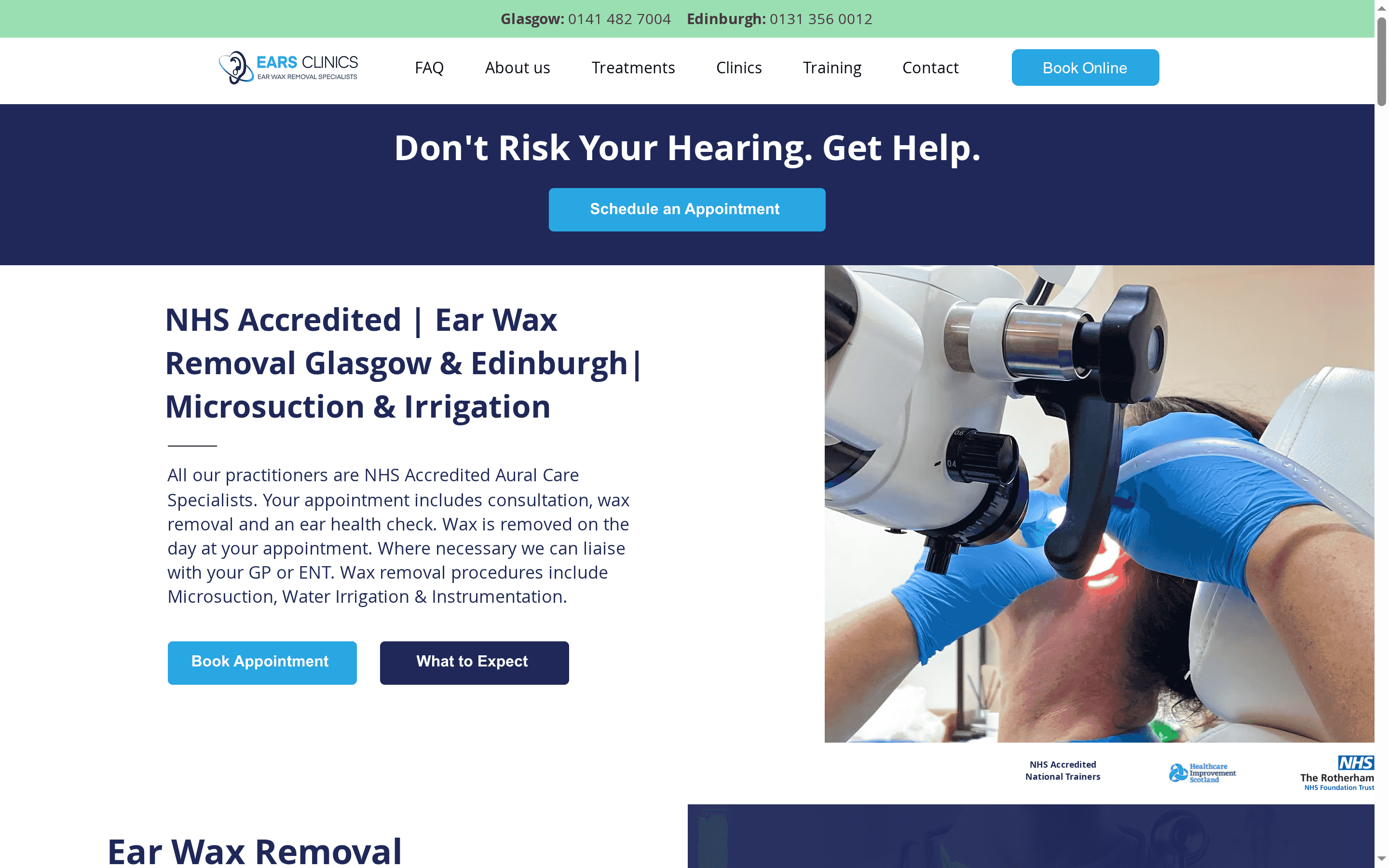
At EARS Clinics, we specialise in professional ear wax removal across Glasgow and Edinburgh using advanced, safe methods. Our fully regulated clinics provide convenient same-day appointments and home visits with no need for GP referrals or prolonged home treatments. Enjoy immediate care from experienced Aural Care Specialists fully trained to handle adults and children including those with complex ear conditions. Don’t let NHS policy changes leave your ear discomfort untreated. Find out more about our expert ear health services at EARS Clinics and book your appointment today for fast, effective relief.
Frequently Asked Questions
What is ear syringing and how does it work?
Ear syringing is a method used to remove excess ear wax from the ear canal. It involves using water pressure to flush out built-up wax, although modern practices often utilise safer techniques such as microsuction.
Is ear syringing free on the NHS in 2024?
As of 2024, simple ear wax removal, including ear syringing, may not be available for free at standard GP practices, and patients may need to seek alternative services.
What are the alternatives if my GP does not offer ear syringing?
If your GP does not provide ear syringing, you may need to consider over-the-counter options, such as medical-grade olive oil drops, or seek services from specialised audiology clinics or private healthcare providers.
Who is eligible for NHS ear wax removal procedures?
Eligibility for NHS ear wax removal typically includes patients with significant hearing impairment, recurrent ear infections, or medical conditions that prevent traditional removal methods. A thorough assessment by a healthcare professional will determine individual cases.
Recommended