
Ear Wax Explained: Safe Removal for Children
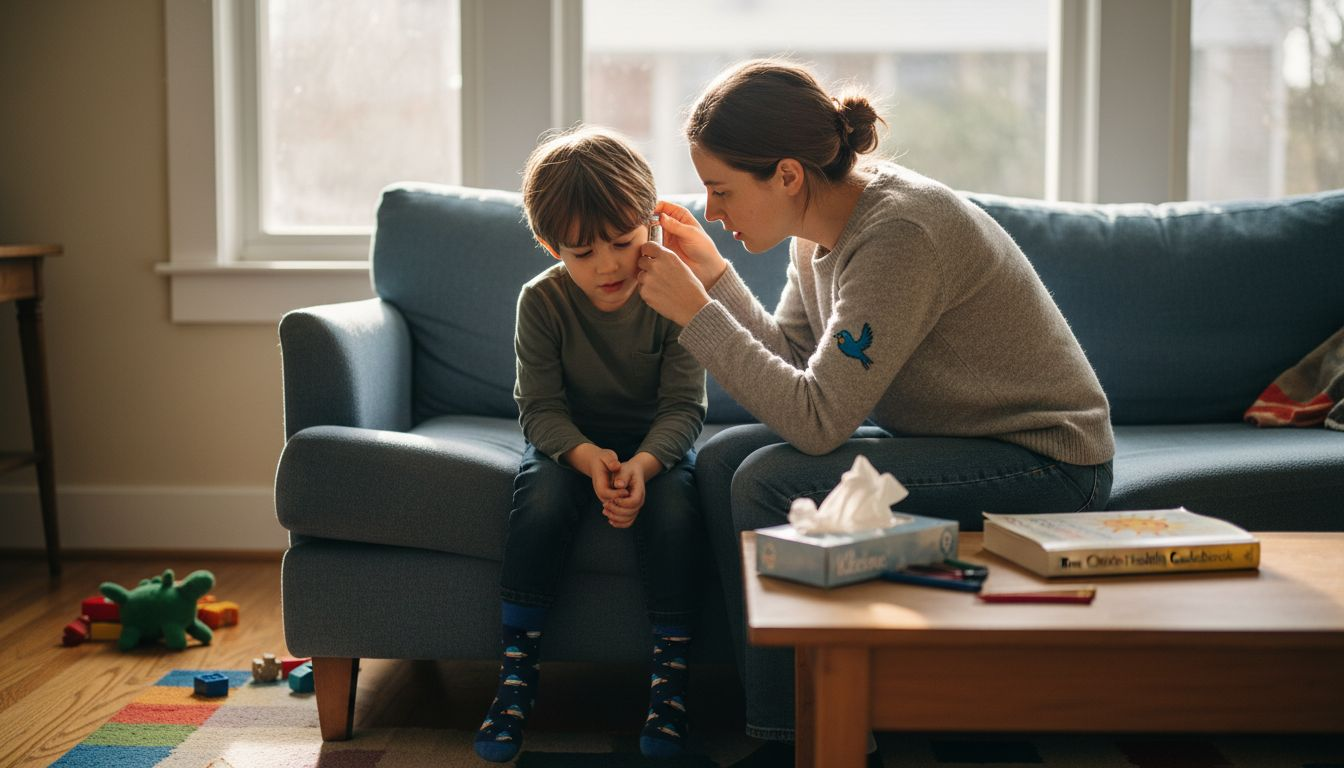
Every british parent knows how quickly ear wax build-up can disrupt a child’s comfort, especially in busy families across Glasgow and Edinburgh. Over 60 percent of paediatric ear complaints are linked to ear wax issues, yet most people underestimate its surprisingly protective role. Understanding why ear wax matters and when professional intervention is needed helps parents make confident choices about their child’s ear health. This guide highlights expert-backed advice and trusted clinic standards for safe, regulated ear care.
Key Takeaways
Point | Details |
Functions of Ear Wax | Ear wax, or cerumen, protects the ear by trapping dust and microbes, while preventing dryness and water-related damage. Its self-regulating nature typically negates the need for regular removal. |
Types of Ear Wax | There are two main types of ear wax: wet, common in Europeans and Africans, and dry, more prevalent in East Asians. These variations are genetically determined. |
Risks of DIY Removal | Home methods can cause serious harm, including pushing wax deeper and risking eardrum damage. Professional cleaning is strongly advised for safety. |
Professional Care Standards | Rigorous protocols in clinics ensure safe ear wax removal, tailored to individual patient needs with sterile instruments and trained specialists. |
What Is Ear Wax And Its Functions
Ear wax, medically known as cerumen, is a natural substance produced by specialised glands within the ear canal. This seemingly mundane secretion plays a remarkably sophisticated protective role in maintaining ear health. Ear wax serves multiple critical functions that safeguard our auditory system, acting as a sophisticated biological defence mechanism.
The primary functions of ear wax include creating a protective barrier against external contaminants. It traps dust, bacteria, debris, and small particles that might otherwise penetrate deeper into the delicate ear canal. With remarkable antimicrobial properties, ear wax helps fight potential bacterial and fungal infections, providing a natural defence system for our ears.
Beyond its defensive capabilities, ear wax also maintains optimal ear canal conditions. It acts as a natural moisturiser, preventing the sensitive skin inside the ear from becoming dry and irritated. The waxy substance creates a waterproof barrier that helps regulate moisture, protecting against potential water-related damage. Interestingly, ear wax is self-regulating - old wax gradually moves towards the ear opening and is naturally expelled, making routine removal unnecessary for most individuals.
Pro tip: Avoid using cotton buds or inserting any objects into the ear canal, as this can disrupt the natural wax production and potentially cause damage.
Types Of Ear Wax And Common Symptoms
Ear wax, or cerumen, is not a uniform substance but exists in two distinct genetic variations that differ significantly in composition and characteristics. The two primary types of ear wax are categorised as wet and dry, with genetic inheritance playing a crucial role in determining an individual’s specific wax type.
The wet ear wax is predominant among people of European and African descent, presenting as a soft, sticky substance with yellow or brown colouration. In contrast, dry ear wax is more common in individuals of East Asian heritage, appearing gray or tan and possessing a flaky, crumbly texture. These variations are determined by a single gene, which influences the wax’s molecular structure and physical properties.
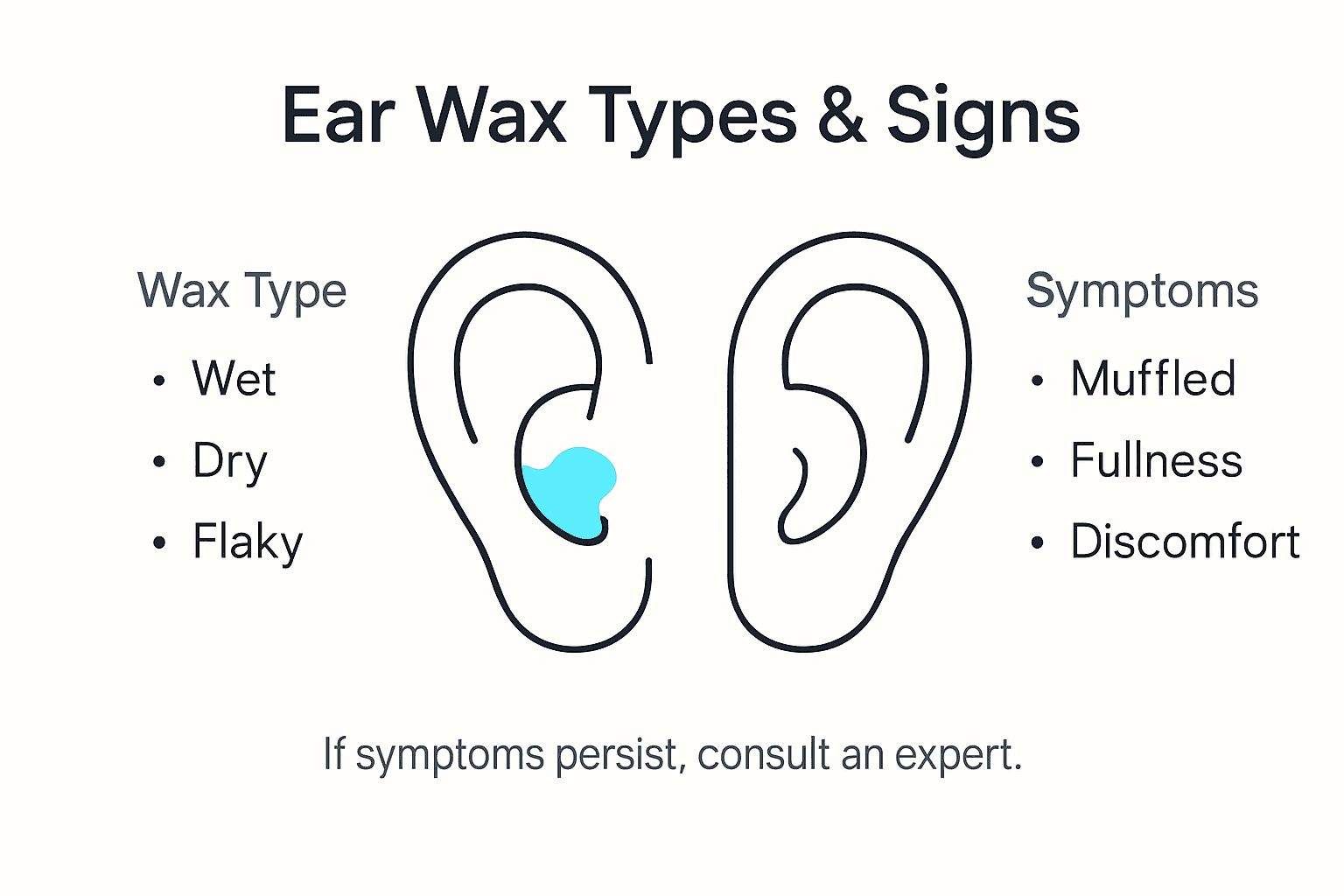
Here is a comparison of the main types of ear wax and their characteristics:
Ear Wax Type | Typical Appearance | Population Prevalence | Key Genetic Factor |
Wet | Yellow or brown, sticky | Common in European and African descent | Dominant ABCC11 gene variant |
Dry | Grey or tan, flaky | Predominant in East Asian heritage | Recessive ABCC11 gene variant |
Common symptoms of excessive or impacted ear wax can manifest through several distinctive indicators, signalling potential ear health concerns. Patients might experience a range of sensations including:
Muffled or reduced hearing
A persistent feeling of fullness in the ear
Unexplained ear discomfort or mild pain
Tinnitus (ringing sounds in the ear)
Occasional dizziness
Itching within the ear canal
Unusual ear odour or discharge
Pro tip: If you notice persistent symptoms or significant hearing changes, consult a professional ear health specialist for a comprehensive assessment rather than attempting home remedies.
Safe Removal Techniques For Children
Understanding safe ear wax removal techniques for children requires careful consideration and professional guidance. Most parents are unaware that children’s ears are self-cleaning mechanisms, with ear wax naturally migrating outward during everyday activities like bathing and talking.
The fundamental principle of paediatric ear care is minimalist intervention. Parents should never insert cotton buds, fingers, or any foreign objects into a child’s ear canal, as these actions can potentially cause serious damage. Instead, professional healthcare practitioners recommend gentle external cleaning techniques:
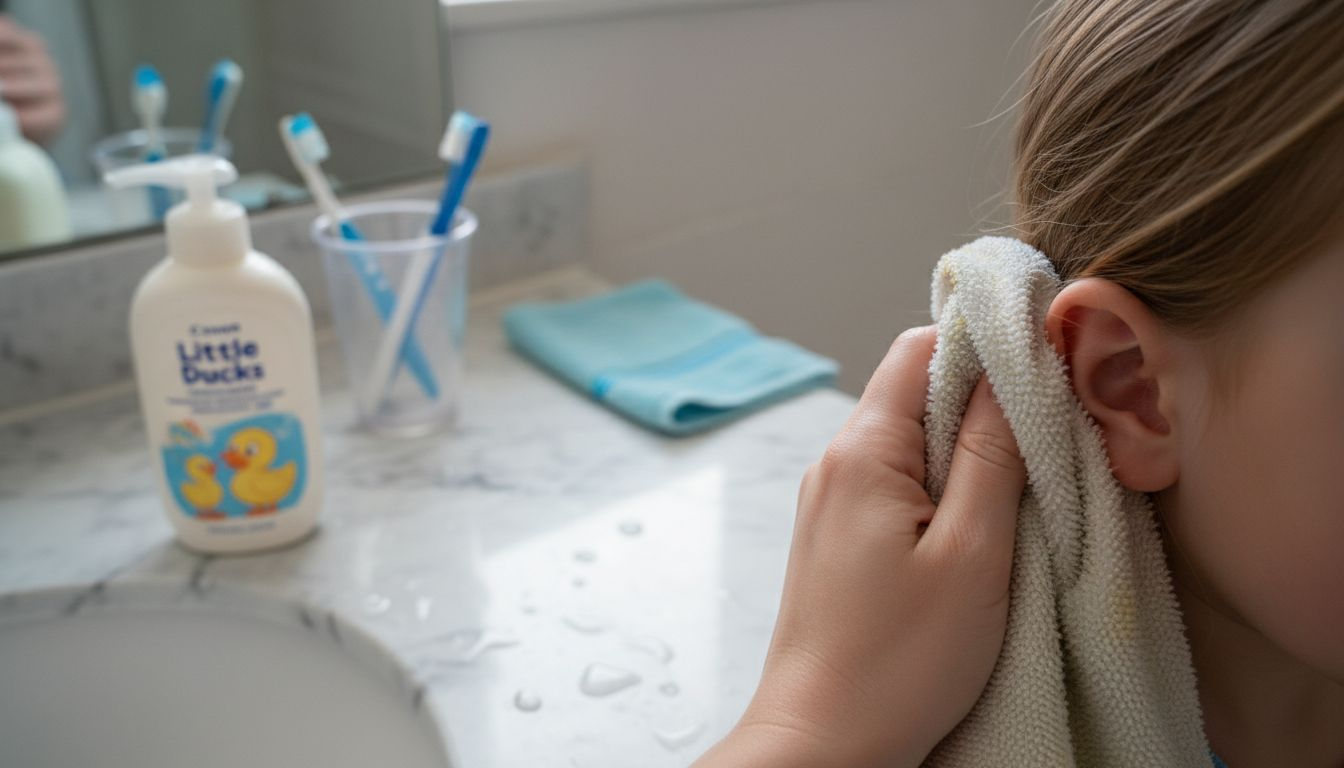
Wiping the outer ear with a soft, damp washcloth
Allowing natural wax migration during regular bathing
Avoiding invasive cleaning methods
Professional intervention becomes necessary when specific symptoms emerge. Pediatric healthcare providers are equipped with specialised instruments to safely remove ear wax in controlled clinical settings, particularly when a child experiences:
Persistent ear pain
Noticeable hearing difficulties
Sensations of ear blockage
Unusual ear discharge
Pro tip: Consult a regulated paediatric ear health specialist if you observe any unusual ear-related symptoms in your child, rather than attempting home removal techniques.
Risks Of DIY Ear Wax Treatments
Home ear wax removal techniques pose significant risks that most people critically underestimate. Attempting to clean ears using common household items can transform a simple ear health situation into a potentially dangerous medical scenario.
The most prevalent DIY methods include using cotton buds, bobby pins, keys, and unregulated ear cleaning tools. These approaches can cause serious complications such as:
Pushing ear wax deeper into the ear canal
Creating dangerous ear canal blockages
Risking permanent damage to the delicate eardrum
Potentially causing internal ear infections
Generating micro-abrasions in the ear canal
Medical professionals consistently warn that home remedies and unverified ear cleaning techniques can lead to unexpected trauma and hearing complications. Even seemingly harmless tools like cotton buds can cause significant damage if inserted incorrectly. Ear candles, frequently marketed as safe alternatives, represent another dangerous misconception that can result in burns or serious ear injury.
Professional ear health specialists strongly recommend avoiding all DIY ear wax removal methods. The intricate anatomy of the human ear requires specialised knowledge and precision instruments to safely manage ear wax build-up.
This table outlines differences between DIY and professional ear wax removal:
Removal Approach | Safety Level | Required Equipment | Suitable For Children |
DIY/Home Methods | High risk of harm | Cotton buds, improvised tools | Strongly discouraged |
Professional Clinic | Safe, regulated | Sterile, specialised tools | Appropriate with supervision |
Pro tip: Always consult a regulated healthcare professional before attempting any ear wax removal, particularly for children or individuals with pre-existing ear conditions.
Expert Care And Clinic Standards
Clinical practice guidelines establish rigorous standards for professional ear wax removal, particularly when addressing paediatric patient needs. These comprehensive protocols ensure safe, precise interventions tailored to individual patient requirements.
Professional ear wax removal techniques encompass multiple specialised methods, each carefully selected based on patient characteristics:
Mechanical extraction for targeted wax removal
Microsuction using precision vacuum equipment
Irrigation with controlled water pressure
Manual instrumentation by trained specialists
Healthcare professionals follow strict protocols when managing ear wax, especially for children with complex ear anatomies. Critical considerations include:
Assessing individual patient medical history
Selecting the most appropriate removal technique
Utilising sterile, specialised medical instruments
Maintaining visual guidance during procedures
Minimising potential patient discomfort
Regulated clinics must adhere to Healthcare Improvement Scotland (HIS) and Care Quality Commission (CQC) standards, ensuring patient safety through professional training, advanced equipment, and evidence-based practice.
Pro tip: Always verify a clinic’s professional registration and ask about their specific ear wax removal protocols before booking an appointment.
Professional Ear Wax Removal for Children Starts Here
If you have been concerned about safe ear wax removal for your child after reading about the risks of DIY treatments and the unique needs of paediatric ear care, it is vital to choose expert support. Children’s ears require gentle, regulated care using specialised techniques like microsuction and manual instrumentation performed by NHS-accredited Aural Care Specialists. These methods ensure effective wax removal without discomfort or damage.

At EARS Clinics, we prioritise your child’s ear health through safe, professional treatment options including clinic appointments, same-day visits, and home visits across Glasgow and Edinburgh. Avoid the dangers of home remedies and trust our regulated services that comply with Healthcare Improvement Scotland standards. Book your appointment now and secure fast expert care for your child’s ear wax concerns with confidence.
Frequently Asked Questions
What is ear wax and what are its functions?
Ear wax, or cerumen, is a natural substance produced by glands in the ear canal. It protects the ear by trapping dust and bacteria, helps prevent infections, and keeps the ear canal moisturised.
How can I safely remove ear wax from my child’s ears?
The best method for removing ear wax from children is minimal intervention. Clean only the outer ear with a soft washcloth and allow natural ear wax migration during baths. Avoid using cotton buds or inserting objects into the ear.
What signs indicate that my child may have excessive ear wax?
Common symptoms of excess ear wax in children include muffled hearing, a feeling of fullness in the ear, discomfort or pain, ringing in the ears (tinnitus), dizziness, itching, or unusual discharge from the ear.
When should I seek professional help for my child’s ear wax?
Professional help is necessary if your child experiences persistent ear pain, noticeable hearing difficulties, sensations of blockage, or unusual ear discharge. Healthcare professionals can safely remove ear wax using specialised instruments.
Recommended