
Patient safety protocols for ear wax removal Glasgow 2026

Many patients believe ear wax removal is a simple, risk-free procedure, yet NHS guidelines prioritise self-management with ear drops first and microsuction as a last resort. Private clinics often promote quick microsuction as the gold standard, creating confusion about what truly protects patient safety. This guide explains the evidence-based safety protocols used in Glasgow and Edinburgh clinics, helping you understand contraindications, treatment methods, and how to access expert care that meets your individual needs while minimising risks.
Key takeaways
Point | Details |
Self-management first | Ear wax removal usually starts with drops for two weeks, with microsuction reserved for cases where irrigation is unsafe. |
Contraindications matter | Perforated eardrums, active infections, recent surgery, and narrow canals exclude microsuction, requiring professional assessment. |
Limited robust evidence | Microsuction is preferred for safety but systematic reviews show limited high-quality comparative data. |
NHS cautious approach | NHS protocols prioritise conservative treatment and reduced intervention, especially in children. |
Private faster access | Private clinics offer quicker microsuction appointments, emphasising patient safety and expert care. |
How NHS guidelines ensure patient safety in ear wax removal
The NHS clinical guideline on ear wax removal establishes a clear hierarchy for patient safety. Self-management with olive oil drops for two weeks forms the first line of treatment, followed by sodium bicarbonate if needed. This conservative approach allows natural wax softening and clearance without clinical intervention, reducing unnecessary procedures and potential complications. Only when drops fail and symptoms persist do clinicians consider irrigation or microsuction.
Irrigation is only used when specific contraindications are absent. Patients with perforated eardrums, recent ear surgery, active infections, narrow ear canals, or certain skin conditions cannot safely undergo irrigation due to risks of damage or infection spread. Microsuction becomes the preferred option for adults in these scenarios, though it remains a last resort rather than a first-choice procedure. Children rarely require any treatment beyond self-care, as their ear anatomy and wax characteristics typically resolve naturally.
Professional ear examination before deciding treatment is crucial for identifying these contraindications. A thorough otoscopic assessment reveals eardrum integrity, canal width, infection signs, and wax characteristics. This clinical judgement ensures the safest method is selected for each individual patient, protecting vulnerable groups and those with complex ear health histories. Understanding NHS ear wax removal policy helps patients navigate what to expect from their GP or audiologist.
Safety protocols minimise complication risks by matching treatment to patient presentation. Contraindications include:
Perforated or damaged eardrum
Recent ear surgery or trauma
Active ear infections or discharge
Extremely narrow ear canals
Skin conditions affecting the ear canal
Previous adverse reactions to ear procedures
These exclusions protect patients from serious harm, though they can extend wait times as clinicians prioritise thorough assessment over speed. For Glasgow and Edinburgh residents, NHS ear treatments follow these national protocols, ensuring consistent safety standards across local services.
Pro Tip: Always inform your clinician of prior ear issues, including childhood infections, hearing aid use, or previous procedures, to ensure safe treatment choice.
Microsuction and contraindications: safety considerations and expert care
Microsuction is effective for removing stubborn ear wax, but it is not universally safe for all patients. Active ear infections create a risk of spreading bacteria deeper into the ear canal or middle ear during suction. Similarly, a perforated eardrum presents a direct pathway for suction trauma to reach the delicate middle ear structures, potentially causing further damage or infection. These absolute contraindications require alternative approaches, typically starting with medical treatment of the infection before any wax removal.
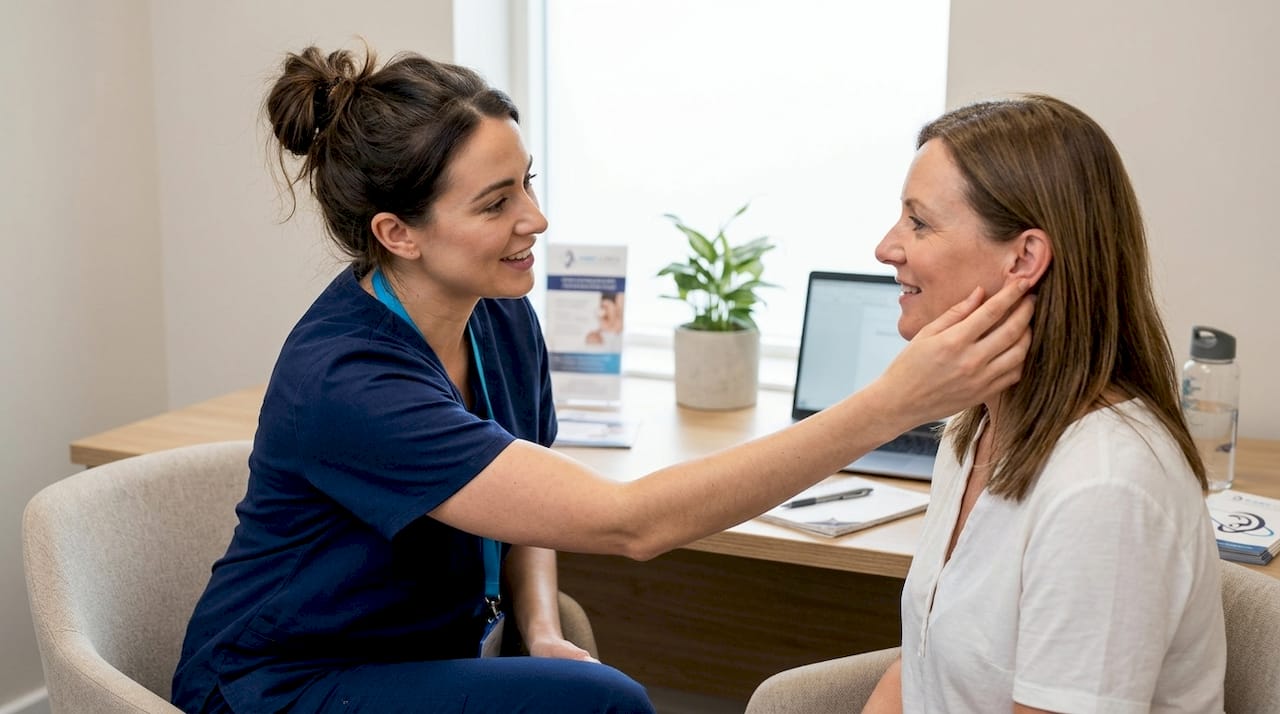
Recent ear surgery and certain skin conditions also exclude microsuction to avoid complications. Post-surgical ears need time to heal, and introducing suction too early can disrupt grafts or healing tissue. Skin conditions like eczema or psoriasis affecting the ear canal make the skin fragile and prone to bleeding or irritation under suction pressure. Narrow ear canals pose a mechanical challenge, as the microsuction probe may not fit safely without risking canal wall trauma. In these cases, ear drops and observation are preferred.
Expert clinical assessment identifies these contraindications through careful history taking and otoscopic examination. A trained Aural Care Specialist evaluates eardrum integrity, canal anatomy, skin condition, and infection signs before recommending microsuction. This personalised approach ensures that only suitable candidates undergo the procedure, significantly reducing adverse event rates. Patients with complex ear conditions, including those using hearing aids or with recurrent infections, benefit most from specialist care rather than generalist services.
Key contraindications for microsuction include:
Active ear infection or discharge
Perforated or retracted eardrum
Recent ear surgery (typically within 6 months)
Narrow or tortuous ear canals
Severe eczema or psoriasis in the ear canal
Previous adverse reaction to microsuction
Understanding ear wax removal safety empowers patients to ask informed questions during consultations. The microsuction procedure guide explains what to expect, helping reduce anxiety and improve cooperation during treatment.
Pro Tip: Never attempt microsuction or irrigation at home if you have any contraindications; always consult a professional to avoid serious ear damage.
Comparing ear wax removal methods: safety and patient experience
Microsuction is generally safer and better tolerated than ear syringing or irrigation, according to available evidence. A systematic review of ear wax removal found that microsuction and suction methods produced fewer adverse events than syringing, though the overall quality of comparative evidence remains limited. Minor adverse events include temporary pain, itching, or dizziness, occurring in a small percentage of patients. Serious complications such as permanent hearing loss or eardrum perforation are extremely rare across all methods when performed by trained practitioners.
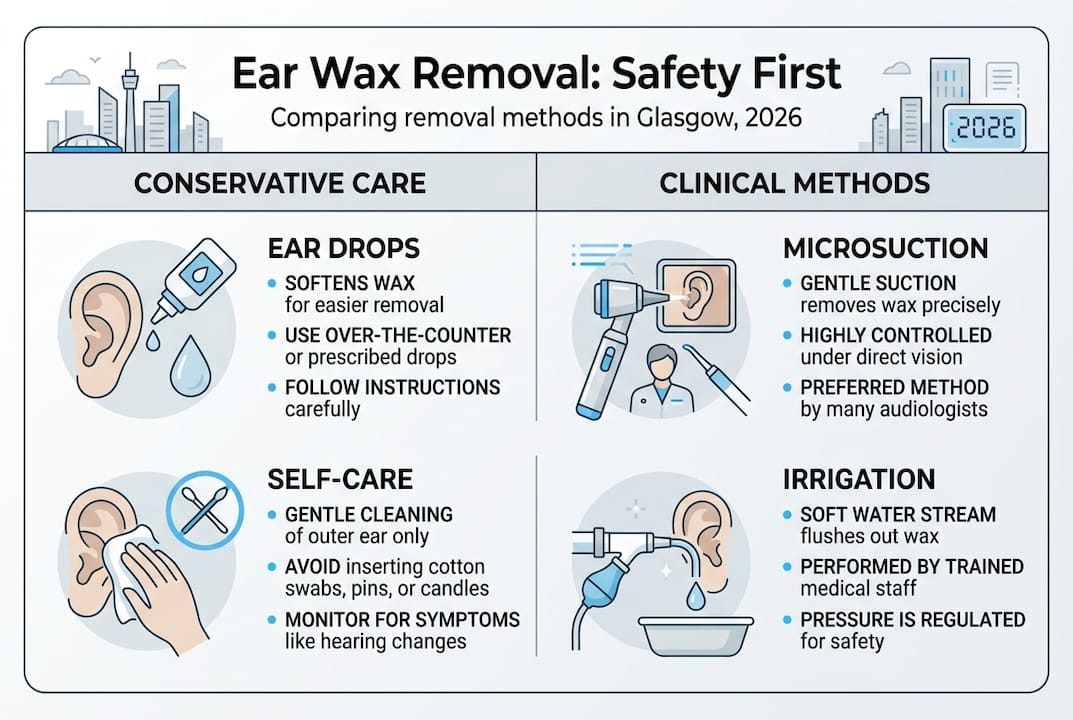
Systematic reviews highlight a frustrating lack of robust randomised controlled trials comparing methods directly. Most available studies are observational or retrospective, making definitive safety rankings difficult. Despite this evidence gap, expert clinical preference leans towards microsuction for its precision and lower risk profile. The ability to visualise the ear canal throughout the procedure allows immediate response to any complications, unlike irrigation where fluid pressure can cause unseen damage.
Private clinics often emphasise faster, safer microsuction compared to NHS conservative irrigation policies. This messaging reflects both genuine safety advantages and commercial positioning. NHS services prioritise drops and watchful waiting to reduce intervention rates, accepting longer wait times as a trade-off for avoiding unnecessary procedures. Private providers fill the gap for patients needing quicker relief or those with contraindications to irrigation.
Patient comfort and expert technique significantly influence safety and outcomes. A calm, cooperative patient allows more precise work, while an anxious or moving patient increases complication risk. Practitioner experience matters enormously; a skilled clinician recognises anatomical variations, adjusts technique accordingly, and stops immediately if complications arise. Comparing NHS vs private ear treatment reveals how service models affect patient experience and access.
Method | Safety profile | Effectiveness | Contraindications | Patient comfort |
Microsuction | Safest; lowest adverse events | Highly effective for most wax types | Active infection, perforation, recent surgery | Generally well tolerated; some noise discomfort |
Irrigation | Moderate safety; higher perforation risk | Effective for soft wax | Perforation, infection, narrow canals | Variable; some pressure discomfort |
Ear syringing | Higher adverse event rate | Effective but less controlled | Same as irrigation plus higher risk profile | Often uncomfortable; more forceful |
Instrumentation | Safe in expert hands | Effective for hard, adherent wax | Requires high skill; narrow canals risky | Can be uncomfortable; requires stillness |
Pro Tip: Ensure your practitioner is trained and experienced in your chosen method, and ask about their complication rates for optimal safety.
Practical tips for patients seeking safe ear care in Glasgow and Edinburgh
Understanding that NHS services prioritise conservative treatment helps set realistic expectations for wait times in Glasgow and Edinburgh. GP referrals for ear wax removal typically involve a waiting period while you trial drops, followed by potential audiology appointments that may be weeks or months away. This cautious approach reflects evidence-based guidelines but can frustrate patients experiencing significant hearing loss or discomfort affecting daily life.
Private clinics offer faster microsuction access, particularly valuable for children and patients with complex ear conditions. While NHS services restrict microsuction to adults and specific clinical scenarios, private providers extend treatment to children from age 2 upwards, addressing parental concerns about hearing development and ear infections. Patients using hearing aids, experiencing recurrent impaction, or with contraindications to irrigation find private microsuction especially beneficial.
Consult your GP or audiologist early to assess eligibility for removal and identify contraindications. A professional examination determines whether your symptoms genuinely require intervention or whether self-management will suffice. This initial assessment also documents your ear health history, crucial for safe treatment planning. Understanding free ear wax removal NHS options helps you navigate public service pathways effectively.
Prepare for appointments by noting your ear health history and current symptoms. Document when symptoms started, any previous ear problems, medications, hearing aid use, and whether you have tried drops. This information helps clinicians make faster, more accurate treatment decisions. Knowing what to expect from ear wax removal NHS services reduces anxiety and improves cooperation during procedures.
Follow these steps to book safe ear wax removal:
Assess your needs: determine symptom severity, duration, and impact on daily activities.
Check local NHS services: contact your GP for referral pathways and estimated wait times.
Consider private microsuction if urgent or complex: evaluate whether faster access justifies private costs for your situation.
Verify clinic protocols and accreditations: ensure practitioners are trained, insured, and follow recognised safety guidelines.
Recognise warning signs needing urgent medical attention:
Sudden severe ear pain or headache
Discharge or bleeding from the ear
Sudden hearing loss or tinnitus
Dizziness or balance problems
Fever accompanying ear symptoms
Facial weakness or numbness
These symptoms may indicate complications requiring immediate medical assessment rather than routine ear wax removal. Seeking appropriate care promptly protects your hearing and overall health.
Explore expert ear care services at EARS Clinics
When you need safe, professional ear wax removal in Glasgow or Edinburgh, EARS Clinics provides NHS-accredited procedures performed by trained Aural Care Specialists. Our microsuction services significantly reduce wait times compared to NHS pathways, offering same-day and next-day appointments for patients experiencing hearing difficulties or discomfort. We are Healthcare Improvement Scotland registered and licensed to treat patients from age 2, making us one of the few regulated ear healthcare clinics in Scotland.
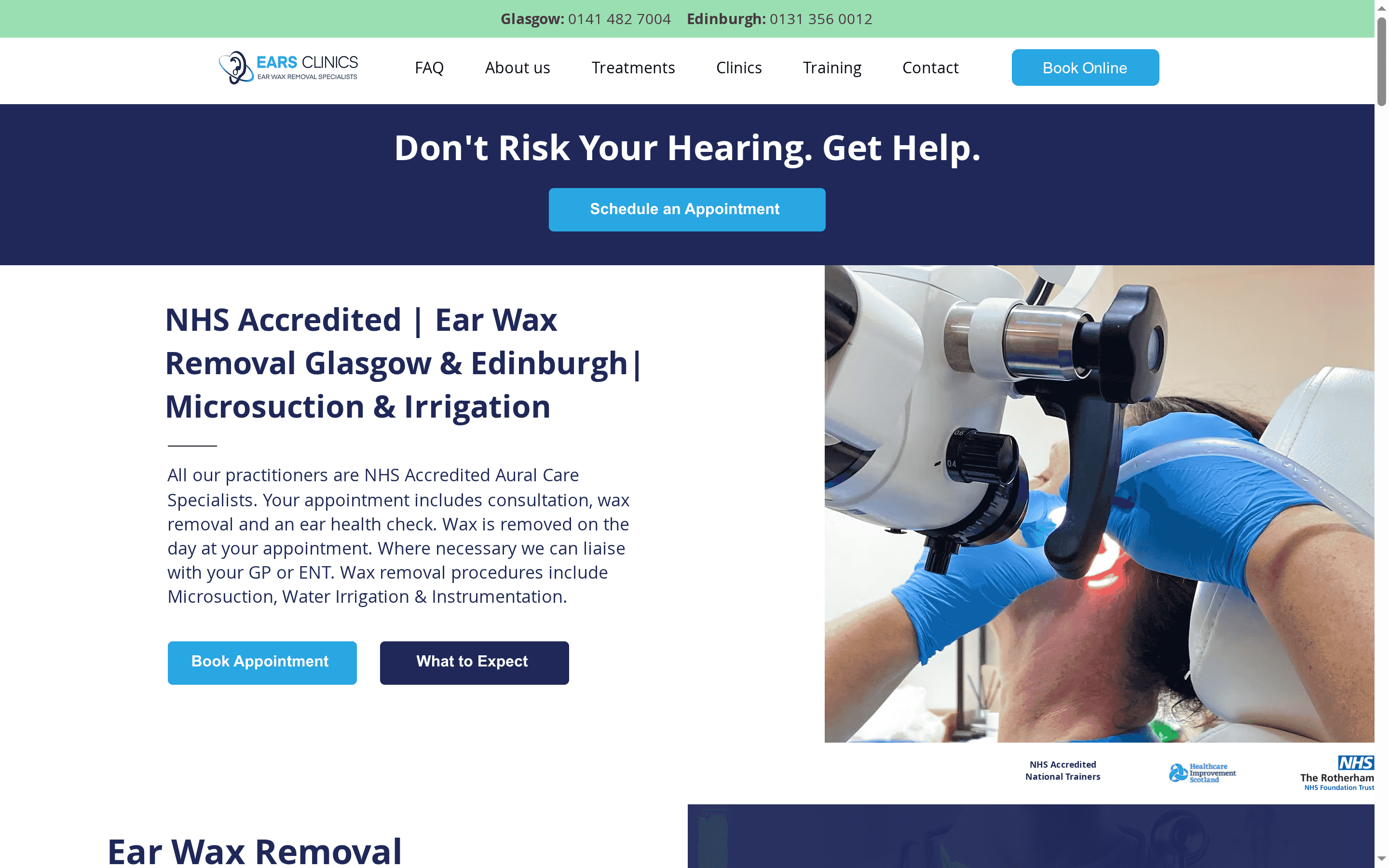
Every patient receives a thorough consultation to ensure safety protocols are met for their individual circumstances. Our specialists assess contraindications, explain types of ear wax removal procedures available, and recommend the safest approach for your ear health. Understanding what to expect from ear health checks helps you feel confident and prepared for your appointment.
Our services include:
Quick appointment availability, including same-day slots
Expert NHS-accredited Aural Care Specialists
Safe microsuction, irrigation, and instrumentation methods
Clear patient guidance and aftercare instructions
Treatment for children from age 2 and adults of all ages
Home visit options for patients with mobility challenges
Explore our microsuction training programmes if you are a healthcare professional seeking accredited skills development. For patients, our transparent pricing (£60 for over-18s, £75 for under-18s, £180 for home visits) and convenient locations make expert ear care accessible when you need it most.
Frequently asked questions
Why is self-management often the first line for ear wax removal?
Self-management with olive oil or sodium bicarbonate drops allows natural wax softening and clearance without clinical intervention, reducing unnecessary procedures and potential complications. Most ear wax resolves naturally within two to four weeks of regular drop use, making professional removal unnecessary for the majority of patients. This conservative approach minimises healthcare resource use while protecting patients from avoidable risks.
What signs suggest I need professional ear wax assessment?
Persistent hearing loss, ear pain, tinnitus, dizziness, or feeling of fullness despite two weeks of drops indicate professional assessment is needed. Sudden hearing loss, discharge, or severe pain require urgent medical attention rather than routine ear wax removal. If you use hearing aids and experience feedback or poor performance, professional examination can determine whether wax impaction is responsible.
Why might microsuction be preferred over irrigation?
Microsuction is preferred when patients have contraindications to irrigation, such as perforated eardrums, active infections, or previous adverse reactions to water-based methods. The procedure allows direct visualisation throughout, enabling immediate response to complications and more precise wax removal. Evidence suggests microsuction produces fewer adverse events than syringing, though robust comparative trials remain limited.
What are the common minor risks of ear wax removal?
Common minor adverse events include temporary pain, itching, dizziness, or tinnitus lasting a few hours to days after the procedure. Clinics mitigate these risks through thorough pre-procedure assessment, using appropriate technique for each patient, and providing clear aftercare guidance. Serious complications like permanent hearing loss or eardrum perforation are extremely rare when trained practitioners follow safety protocols.
How do NHS and private ear wax removal services differ in Glasgow and Edinburgh?
NHS services prioritise conservative treatment with drops first, restricting microsuction to adults with specific contraindications, often resulting in wait times of weeks to months. Private clinics offer faster microsuction access, treat children from age 2, and provide same-day or next-day appointments for patients needing quicker relief. Both follow evidence-based safety protocols, but service models reflect different priorities around intervention rates and patient access.
When should children receive professional ear wax removal?
Children rarely require professional ear wax removal, as NHS guidelines emphasise that ear wax seldom needs treatment in paediatric patients. Professional intervention is considered only when wax impaction causes significant hearing loss affecting speech development, recurrent ear infections, or prevents proper ear examination when medically necessary. Private clinics licensed to treat children from age 2 can provide expert assessment and safe removal when genuinely indicated.
Recommended