
7 Essential Tips for Better Hearing in Children
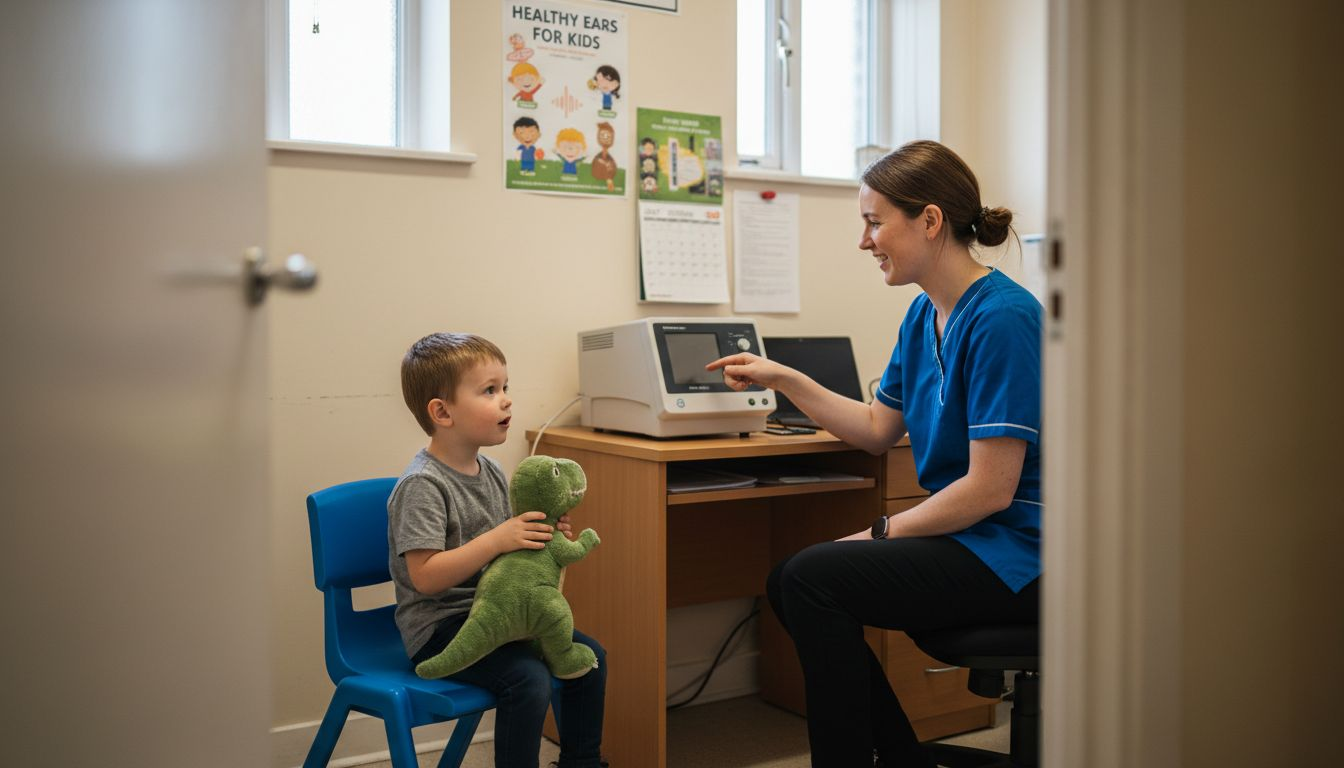
Spotting ear and hearing problems in children can be tough, especially when early signs are easy to miss or misunderstood. Missed cues can lead to delays in language development and everyday challenges for your child. The right steps taken early make all the difference, from supporting clear communication to preventing long-term complications.
This list gives you practical ways to protect your child’s ear health and help them thrive. You will discover the most effective tips for spotting signs, scheduling check-ups, and choosing safe cleaning methods. Each insight is designed to give you peace of mind and confidence in caring for your child’s ears—so you never have to wonder if you are doing enough.
Quick Summary
Takeaway | Explanation |
1. Recognise early signs of hearing issues | Look for delayed speech, frequent requests for repetition, or inattentiveness to conversations as potential hearing challenges. |
2. Schedule routine ear health check-ups | Regular check-ups monitor hearing development and early detection of issues, crucial for intervention. |
3. Avoid cotton buds for ear cleaning | Cotton buds can harm the ear canal and push wax deeper, disrupting natural cleaning. |
4. Understand safe ear wax removal methods | Consult professionals for ear wax removal, using approved methods to protect children’s ear health. |
5. Seek immediate appointments for concerns | Early intervention is vital for hearing problems; document symptoms and contact healthcare providers promptly. |
1. Recognise Early Signs of Hearing Issues
Hearing challenges in children can often be subtle yet profoundly impactful on their development. Understanding and identifying early warning signs is crucial for ensuring timely intervention and support.
Children with potential hearing difficulties might display several key indicators that parents and caregivers should carefully observe:
Delayed or unclear speech development
Frequently asking “What?” or requesting repetition
Turning up television or device volume excessively
Seeming inattentive or struggling to follow conversations
Apparent lack of response to soft sounds or distant voices
Research highlights that hearing loss can significantly impact language acquisition and academic performance. Early detection allows healthcare professionals to implement targeted support strategies.
Parents should monitor their child’s hearing responses across different environments - quiet rooms, noisy spaces, and during conversations. Subtle signs like turning their head to see speakers or watching facial expressions intently can indicate potential hearing challenges.
Proactive observation and professional assessment are key to addressing childhood hearing concerns effectively.
Pro tip: Schedule regular hearing screenings with a qualified audiologist, especially if you notice any consistent communication or attention difficulties.
2. Schedule Regular Ear Health Check-Ups
Routine ear health check-ups are vital for monitoring your child’s hearing development and detecting potential issues early. Proactive healthcare can prevent long-term hearing complications and support optimal communication skills.
The importance of regular ear health assessments cannot be overstated. Routine health visits provide critical opportunities to track your child’s auditory development and address any emerging concerns.
Key reasons for scheduling regular ear health check-ups include:
Early detection of hearing challenges
Monitoring ear canal and eardrum health
Tracking developmental hearing milestones
Preventing potential long-term hearing complications
Creating a comprehensive health record
Parents should consider professional ear health screenings at several critical stages:
Newborn hearing screening
Infant developmental reviews
Preschool health assessments
Annual school-age check-ups
Adolescent comprehensive evaluations
Professional ear health screenings provide invaluable insights into your child’s auditory development.
The NHS offers free hearing tests for children referred through general practitioners or developmental reviews. These assessments are straightforward and non-invasive, designed to ensure your child’s hearing health remains optimal.
Pro tip: Keep a dedicated health journal to track your child’s ear health assessments, noting any changes or recommendations from healthcare professionals.
3. Avoid Cotton Buds for Cleaning Ears
Parents often reach for cotton buds believing they are a safe method for ear cleaning. However this common practice can actually cause significant harm to a child’s delicate ear canal and hearing.
Cotton buds pose serious risks to ear health and should never be inserted into a child’s ear. The human ear is self-cleaning and has natural mechanisms for maintaining hygiene.
Key risks associated with cotton bud usage include:
Potential damage to the ear canal
Risk of pushing earwax deeper
Possibility of puncturing the eardrum
Creating impacted wax blockages
Increased likelihood of infections
Parents should understand that earwax serves a protective function. It traps dust particles prevents bacterial growth and helps maintain ear canal moisture. Removing it unnecessarily can disrupt this natural protective mechanism.
Safe ear cleaning means respecting the ear’s natural self-cleaning processes.
Instead of using cotton buds parents should:
Wipe the outer ear gently with a soft cloth
Allow ears to clean themselves naturally
Consult healthcare professionals for persistent concerns
Supervise children to prevent self-cleaning attempts
Symptoms like ear pulling or discomfort might indicate wax buildup and should prompt professional medical consultation rather than home intervention.
Pro tip: Keep cotton buds away from children and store them in a secure location to prevent accidental misuse.
4. Understand Safe Ear Wax Removal Methods
Ear wax removal requires careful consideration and professional guidance to ensure your child’s ear health remains protected. Understanding the correct methods can prevent potential damage and maintain optimal hearing.
Safe ear wax removal involves specific professional techniques that prioritise the delicate nature of children’s ear canals. Not all removal methods are suitable for young patients.
Safe ear wax removal approaches include:
Microsuction by trained professionals
Gentle irrigation under medical supervision
Manual instrumentation by qualified clinicians
Softening drops recommended by healthcare providers
Professional assessment before any intervention
Key principles for safe ear wax management:
Never attempt home removal without professional advice
Consult healthcare specialists for persistent wax buildup
Avoid inserting any objects into the ear canal
Use only medically approved softening solutions
Monitor your child’s ear health regularly
Professional intervention ensures safe and effective ear wax removal.
Children with excessive ear wax might experience symptoms like reduced hearing temporary discomfort or ear pulling. These signs warrant professional medical assessment rather than home remedies.
Always prioritise your child’s ear health by seeking expert guidance from regulated healthcare professionals who understand the complexities of paediatric ear care.
Pro tip: Schedule a professional ear health consultation if you notice persistent ear wax accumulation or hear any changes in your child’s hearing responsiveness.
5. Choose NHS-Accredited Aural Care Specialists
Navigating ear health for children requires selecting highly qualified and regulated healthcare professionals. Choosing NHS-accredited aural care specialists ensures your child receives the highest standard of professional ear treatment.
NHS hearing services follow rigorous national standards to protect patient safety and provide exceptional care. These specialists undergo extensive training and adhere to strict clinical guidelines.
Key considerations when selecting an aural care specialist include:
Current NHS accreditation status
Professional qualifications in paediatric audiology
Experience with children’s ear health
Registered with Healthcare Improvement Scotland (HIS)
Comprehensive diagnostic capabilities
Gentle and child-friendly approach
What sets NHS-accredited specialists apart:
Standardised clinical protocols
Regular professional development
Transparent treatment documentation
Patient-centred care approach
Evidence-based intervention strategies
Professional accreditation guarantees a commitment to highest care standards.
Parents should verify a specialist’s credentials by checking their registration with official healthcare regulatory bodies. This ensures your child receives safe diagnostic assessments and interventions.
Trustworthy aural care specialists will openly discuss treatment approaches communicate clearly and prioritise your child’s comfort throughout any medical procedure.
Pro tip: Always request to see a specialist’s current NHS accreditation and professional registration before booking any ear health consultation.
6. Request Immediate Appointments for Concerns
Timely intervention is crucial when noticing potential hearing challenges in children. Recognising and responding quickly to ear health concerns can prevent long-term developmental complications.
NHS recommends urgent referral for hearing concerns when specific symptoms emerge. Parents should be proactive and vigilant about their child’s auditory health.
Critical signs warranting immediate appointment include:
Sudden hearing loss
Noticeable speech development delays
Consistent difficulty understanding conversations
Frequent requests for sound repetition
Unexplained ear pain or discomfort
Unusual ear discharge
Changes in speech clarity
Appointment request steps:
Document specific hearing concerns
Contact your general practitioner
Request immediate referral to audiology
Prepare detailed symptom description
Bring previous medical records
Early professional assessment facilitates timely diagnosis and intervention.
Multiple healthcare professionals can initiate referrals including general practitioners health visitors speech therapists and paediatricians. Parents also have the direct option to seek professional ear health consultations.
Understanding the urgency of hearing concerns helps prevent potential long-term communication and developmental challenges for children.
Pro tip: Keep a detailed log of your child’s hearing behaviours and symptoms to provide comprehensive information during medical consultations.
7. Promote Healthy Ear Care Habits at Home
Parents play a crucial role in establishing and maintaining their children’s ear health through daily habits and education. Understanding how to protect and care for ears can prevent potential hearing complications.
Children’s ear care requires gentle and informed approaches that prioritise safety and natural hygiene principles.
Healthy ear care habits to teach children include:
Washing outer ears with mild soap and water
Avoiding inserting any objects into ear canals
Understanding earwax is a natural protective mechanism
Protecting ears in loud environments
Maintaining good hand hygiene
Using ear protection during noisy activities
Key strategies for home ear care:
Demonstrate proper outer ear cleaning techniques
Explain why cotton buds are dangerous
Model careful listening and noise protection
Create positive conversations about ear health
Encourage open communication about ear discomfort
Gentle care and education are the foundations of children’s ear health.
Parents should focus on teaching children that ears are self-cleaning organs. Unnecessary intervention can cause more harm than good. Regular gentle cleaning of the outer ear and avoiding potential damage are essential.
Be attentive to your child’s ear health by observing any changes in hearing behaviour or signs of discomfort.
Pro tip: Create a fun ‘ear health’ game or chart to make learning about ear care engaging and memorable for children.
Below is a comprehensive summary table capturing the main points and recommendations related to children’s ear health discussed throughout the article.
Topic | Details | Recommendations |
Recognising Early Signs of Hearing Issues | Hearing loss can impact development and speech. Symptoms include delayed speech, difficulty understanding conversations, and excessive device volume. | Monitor children’s hearing responses in varied environments; seek professional assessment when concerns arise. |
Scheduling Ear Health Check-Ups | Regular evaluations assist in recognising developmental milestones and preventing complications. | Conduct professional screenings at critical life stages, utilise resources such as NHS facilities, and keep detailed health records. |
Avoiding Cotton Buds for Cleaning | Cotton buds can damage the ear canal and disrupt natural self-cleaning processes. | Employ safe practices like gentle wiping with a cloth and consult professionals for persistent concerns. |
Understanding Safe Ear Wax Removal Methods | Safe removal requires professional techniques such as microsuction and manual instrumentation. | Avoid home remedies and seek medical guidance for excessive wax buildup. |
Selecting Accredited Aural Care Specialists | Specialists with NHS accreditation provide regulated, patient-centred care for paediatric ear health. | Verify professional credentials and check current accreditation before consultations. |
Requesting Immediate Appointments for Concerns | Early intervention is vital to prevent complications and support development. | Act promptly on symptoms by documenting concerns, contacting healthcare providers, and initiating referrals. |
Promoting Healthy Ear Care Habits | Teaching children about ear hygiene and protective measures fosters lifelong ear health. | Demonstrate correct practices, explain the dangers of cotton buds, and encourage communication about discomfort. |
Protect Your Child’s Hearing with Expert Care at EARS Clinics
Hearing challenges in children demand prompt, safe, and professional attention. If you notice any signs like delayed speech, frequent requests for repetition, or difficulty following conversations it is essential to act quickly. At EARS Clinics, we specialise in NHS-accredited ear health services with advanced techniques such as microsuction and gentle irrigation to safely remove ear wax and address related concerns for children from two years old.

Choose the peace of mind that comes with care from Healthcare Improvement Scotland (HIS) registered specialists who understand the delicate nature of paediatric ear care. Enjoy shorter waiting times, flexible same-day or home appointments, and expert assessments tailored to your child’s needs. Don’t wait for symptoms to worsen book now at EARS Clinics and support your child’s hearing development with trusted professional intervention.
Frequently Asked Questions
What are the early signs of hearing issues in children?
Identifying early signs of hearing difficulties is vital. Look for delayed speech, frequently asking for repetition, or a lack of response to soft sounds. If you notice these signs, schedule a professional assessment promptly.
How often should children have ear health check-ups?
Children should have regular ear health check-ups, especially at critical developmental stages. Consider scheduling appointments during newborn screening, preschool assessments, and annual check-ups to ensure optimal hearing health.
What is the safest way to clean my child’s ears?
Avoid using cotton buds to clean your child’s ears, as they can cause harm. Instead, gently wipe the outer ear with a soft cloth and allow the ear to clean itself naturally.
What should I do if I notice changes in my child’s hearing?
If you observe sudden changes in your child’s hearing or speech delays, seek professional help immediately. Document your concerns and contact a healthcare provider for an audiology referral as soon as possible.
How can I promote healthy ear care habits at home?
To encourage healthy ear care habits, teach your child to wash their outer ears regularly and explain the importance of keeping objects out of their ears. Create positive conversations around ear health, making it a part of your daily routine.
When should I consult an aural care specialist?
Consult an aural care specialist if you notice persistent symptoms like discomfort, difficulty understanding speech, or ear pulling. Schedule an appointment immediately for a thorough evaluation to address any potential issues.
Recommended