
Why Ear Health Matters for Your Child’s Wellbeing
Updated: Jan 16

Every british parent knows how worrying ear problems can be for their child. Studies show that over half of children experience ear wax build-up at least once before adolescence, and delays in treatment may impact hearing and learning. Reliable, immediate help with ear wax removal is essential, especially in busy cities like Glasgow and Edinburgh. Discover why professional care from an NHS-accredited private clinic offers both safety and peace of mind for families who want their child’s ear health in expert hands.
Key Takeaways
Point | Details |
Understanding Ear Hygiene | Earwax is a natural protective mechanism; it should not be completely removed. Regular checks and avoiding cotton swabs are essential for ear health. |
Signs of Ear Wax Build-Up | Parents should monitor for hearing difficulties, fullness in ears, and irritability in children as potential signs of wax build-up. |
Professional Wax Removal Techniques | Healthcare professionals use microsuction, irrigation, and manual removal for safe ear wax extraction, ensuring minimal discomfort for children. |
Benefits of Specialist Clinics | Regulated private ear clinics offer specialised care with tailored treatment plans and advanced diagnostic equipment, ensuring better outcomes for children’s ear health. |
Defining Ear Health and Common Myths
Ear health represents a complex yet critical aspect of overall paediatric wellness, encompassing the intricate biological systems responsible for hearing and balance. The human ear consists of three primary regions: the outer, middle, and inner ear, each playing a unique role in auditory function and sensory perception. Understanding ear anatomy and its protective mechanisms helps parents recognise potential health concerns and maintain optimal ear wellbeing for their children.
Contrary to popular misconceptions, earwax is not a sign of poor hygiene but a natural protective mechanism. This waxy substance, scientifically known as cerumen, serves multiple crucial functions including trapping dust, preventing bacterial growth, and maintaining the delicate ear canal environment. Many parents mistakenly believe that earwax should be completely removed, when in fact, a moderate amount indicates a healthy, self-cleaning ear system.
Several common myths surrounding ear health can potentially lead parents to make misguided decisions. For instance, many believe that inserting cotton swabs or other objects into the ear canal is safe for cleaning. However, this practice can cause significant damage, potentially pushing wax deeper and risking permanent hearing impairment. Professional healthcare providers consistently warn against such interventions, emphasising that ears are self-regulating organs that typically manage their own maintenance.
Pro tip: Always consult a registered healthcare professional if you suspect any ear health concerns in your child, and never attempt at-home ear cleaning without expert guidance.
Signs of Ear Wax Build-Up in Children
Recognising the signs of ear wax build-up in children is crucial for maintaining their auditory health and preventing potential complications. Excessive earwax accumulation can lead to various symptoms that parents should carefully monitor. These symptoms often include subtle changes in hearing, communication, and overall ear comfort that might not be immediately apparent to an untrained eye.

The most common indicators of ear wax build-up include noticeable hearing difficulties, where children might seem less responsive or request increased volume on electronic devices. Some children experience a persistent feeling of fullness in the ear, accompanied by mild discomfort or occasional ear pain. Other significant signs involve reduced hearing clarity, unexplained irritability, frequent ear tugging, or complaints about sounds being muffled or distant.
Certain risk factors can increase the likelihood of ear wax accumulation in children. These include narrow ear canal structures, excessive wax production, frequent use of earplugs or hearing aids, and improper cleaning techniques. Parents should be particularly vigilant if their child has a history of recurrent ear infections or uses swimming equipment regularly. Moisture retention and inappropriate cleaning methods can exacerbate wax build-up, potentially leading to more serious ear health complications.
Pro tip: Never attempt to remove ear wax at home using cotton swabs or sharp objects, as this can cause permanent damage and push wax deeper into the ear canal.
Specialist Techniques for Safe Wax Removal
Healthcare professionals employ several specialised and careful techniques for safely removing ear wax in children, each designed to minimise potential risks and discomfort. Professional ear wax removal requires precise medical instruments and expertise that ensure the delicate ear canal remains undamaged during the procedure.
The primary professional techniques include microsuction, irrigation, and manual removal using small specialised instruments. Microsuction involves using a gentle suction device to carefully extract wax without direct contact with the ear canal, making it particularly suitable for children with sensitive ears. Irrigation involves using warm water at a carefully controlled temperature and pressure to flush out accumulated wax, while manual removal employs small curved instruments called curets to gently extract wax under direct visual guidance.
Before any wax removal procedure, clinicians typically recommend preliminary steps to prepare the ear canal. These may include applying softening ear drops for several days to loosen the wax and make removal easier and less invasive. In some cases, particularly with young or uncooperative children, mild sedation might be considered to ensure a smooth and stress-free experience. The chosen technique depends on multiple factors, including the child’s age, ear canal structure, wax consistency, and overall medical history.
Here is a summary of professional ear wax removal techniques and their key features:
Technique | Comfort Level | Suitability for Children | Preparation Required |
Microsuction | Minimal discomfort | Ideal for sensitive ears | Softening drops often used |
Irrigation | Mild sensation | Suitable for older children | Warm water preparation |
Manual removal | Direct and precise | Useful for visible wax | Curets and visual guides needed |
Pro tip: Always consult a professional ear care specialist who can assess your child’s specific ear health needs and recommend the most appropriate wax removal technique.
Risks of Untreated Ear Problems in Children
Untreated ear problems can have profound and long-lasting consequences for a child’s overall development and wellbeing. Persistent ear infections pose significant risks to children’s hearing and communication skills that extend far beyond immediate discomfort, potentially impacting their educational and social experiences.
The most critical complications arise from chronic middle ear infections, which can lead to progressive hearing loss, speech and language developmental delays, and challenges in academic performance. Children experiencing recurring ear problems may struggle with sound processing, articulation, and comprehension, creating barriers to effective communication and learning. These challenges can manifest as reduced classroom participation, social interaction difficulties, and potential long-term educational setbacks that may require specialised interventions.
Beyond hearing and communication, untreated ear problems can trigger broader health complications. Persistent infections might spread to surrounding tissues, potentially causing mastoiditis, an infection of the skull’s bone behind the ear, or in rare cases, more serious neurological complications. The ongoing inflammation and fluid accumulation can also compromise the delicate structures of the middle and inner ear, potentially resulting in permanent sensory damage that cannot be reversed through later medical interventions.
Pro tip: Schedule regular ear health check-ups with a paediatric specialist to catch and address potential ear problems early, preventing long-term developmental complications.
Benefits of Regulated Private Ear Clinics
Regulated private ear clinics offer a comprehensive and specialised approach to paediatric ear healthcare that goes far beyond standard medical consultations. These clinics provide advanced diagnostic and treatment services with a level of expertise and personalised attention that distinguishes them from conventional healthcare settings.
The primary advantages of regulated private ear clinics include access to highly trained specialists with deep expertise in otology and paediatric ear conditions. These professionals utilise state-of-the-art diagnostic equipment and employ a multidisciplinary approach, ensuring that children receive targeted, precise interventions tailored to their unique ear health requirements. Unlike generic medical practices, these clinics focus exclusively on ear-related issues, allowing for more nuanced and sophisticated treatment strategies that address complex hearing and ear health challenges.
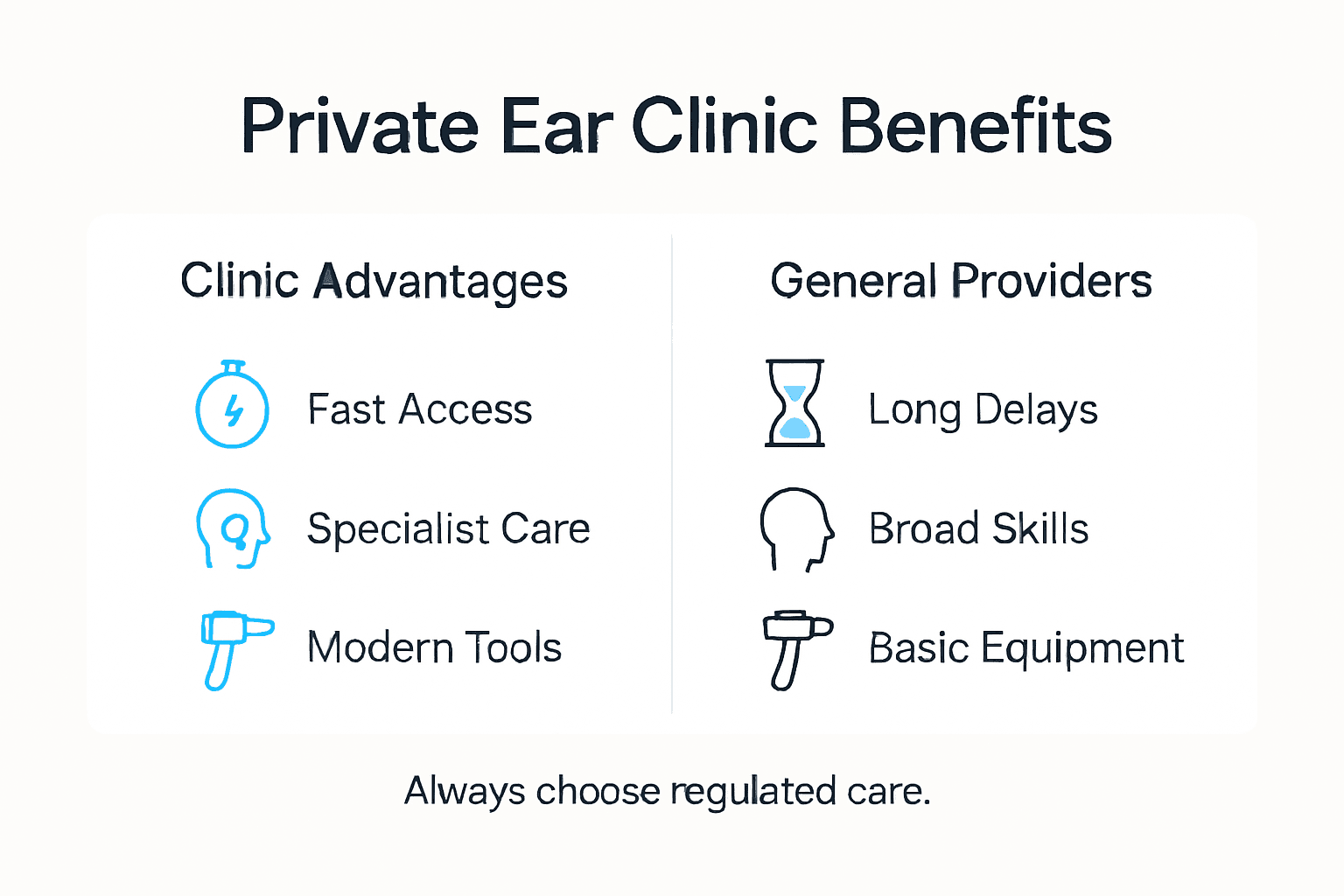
Moreover, regulated private ear clinics prioritise patient safety and comprehensive care through rigorous professional standards and continuous medical training. They offer integrated services that encompass thorough initial assessments, precise diagnostic procedures, personalised treatment plans, and follow-up care. This holistic approach ensures that potential ear health issues are identified early, preventing long-term complications and supporting children’s overall auditory development and communication skills.
The table below compares the advantages of regulated private ear clinics to general healthcare providers:
Aspect | Regulated Private Clinics | General Healthcare Providers |
Specialist Expertise | Paediatric ear specialists | General practitioners |
Diagnostic Equipment | Advanced, dedicated technology | Basic assessment tools |
Care Personalisation | Tailored ear health strategies | Standardised medical approach |
Patient Safety | Rigorous professional standards | Broad patient safety measures |
Pro tip: Request a comprehensive initial consultation to understand your child’s specific ear health needs and establish a personalised preventative care strategy.
Ensure Your Child’s Ear Health with Expert Care at EARS Clinics
The article highlights crucial concerns such as recognising signs of ear wax build-up, understanding safe removal methods, and the risks of untreated ear problems in children. If you notice your child struggling with hearing difficulties or discomfort linked to wax accumulation, it is vital to act promptly. At EARS Clinics, we specialise in NHS-accredited professional ear wax removal techniques including microsuction, irrigation, and manual instrumentation. Our experienced Aural Care Specialists provide safe, gentle treatment specifically tailored for children from age two upwards.
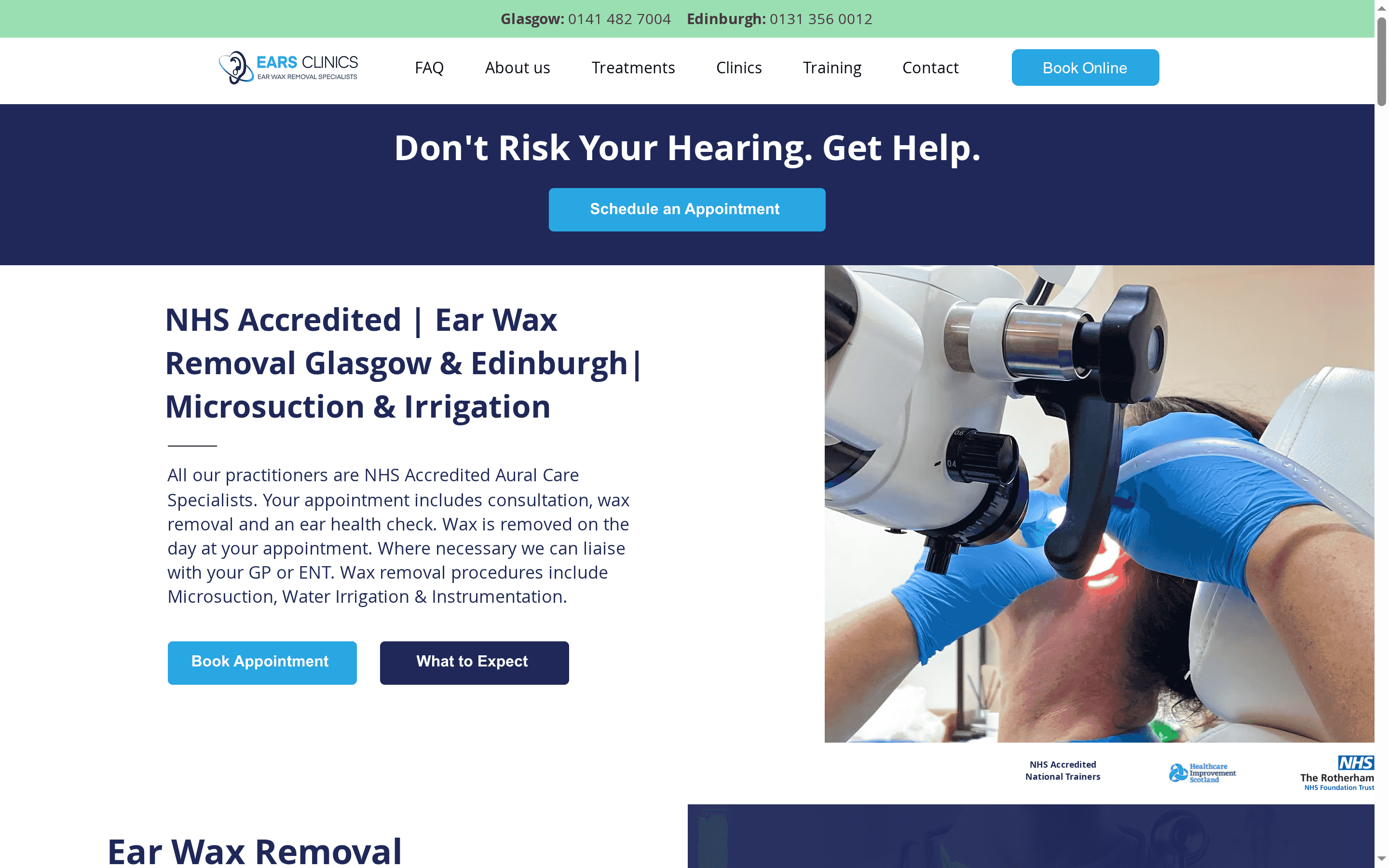
Protect your child’s hearing and wellbeing by choosing a trusted private ear care provider regulated by Healthcare Improvement Scotland. Avoid delays common in general healthcare and benefit from same-day appointments and convenient home visits in Glasgow and Edinburgh. Discover how our specialised services make a difference: visit EARS Clinics to learn more about safe ear wax removal, explore our child-focused care, and book your appointment today.
Frequently Asked Questions
What are the signs of ear wax build-up in children?
Common signs include hearing difficulties, a persistent feeling of fullness in the ear, discomfort, irritability, frequent ear tugging, and complaints about sounds being muffled or distant.
What are the professional techniques for safe wax removal?
The main techniques include microsuction, irrigation, and manual removal with specialised instruments. Each method aims to safely extract wax without damaging the ear canal and is chosen based on the child’s needs.
Why is untreated ear health a concern for children?
Untreated ear problems can lead to complications such as progressive hearing loss, developmental delays in speech and language, and long-term academic challenges, potentially impacting overall wellbeing and communication skills.
How can regulated private ear clinics benefit my child’s ear health?
Regulated private ear clinics provide specialised care from trained otology experts, advanced diagnostic techniques, and personalised treatment plans, ensuring targeted interventions for ear health issues while prioritising patient safety.
Recommended