
Why immediate ear care matters: prevent problems early
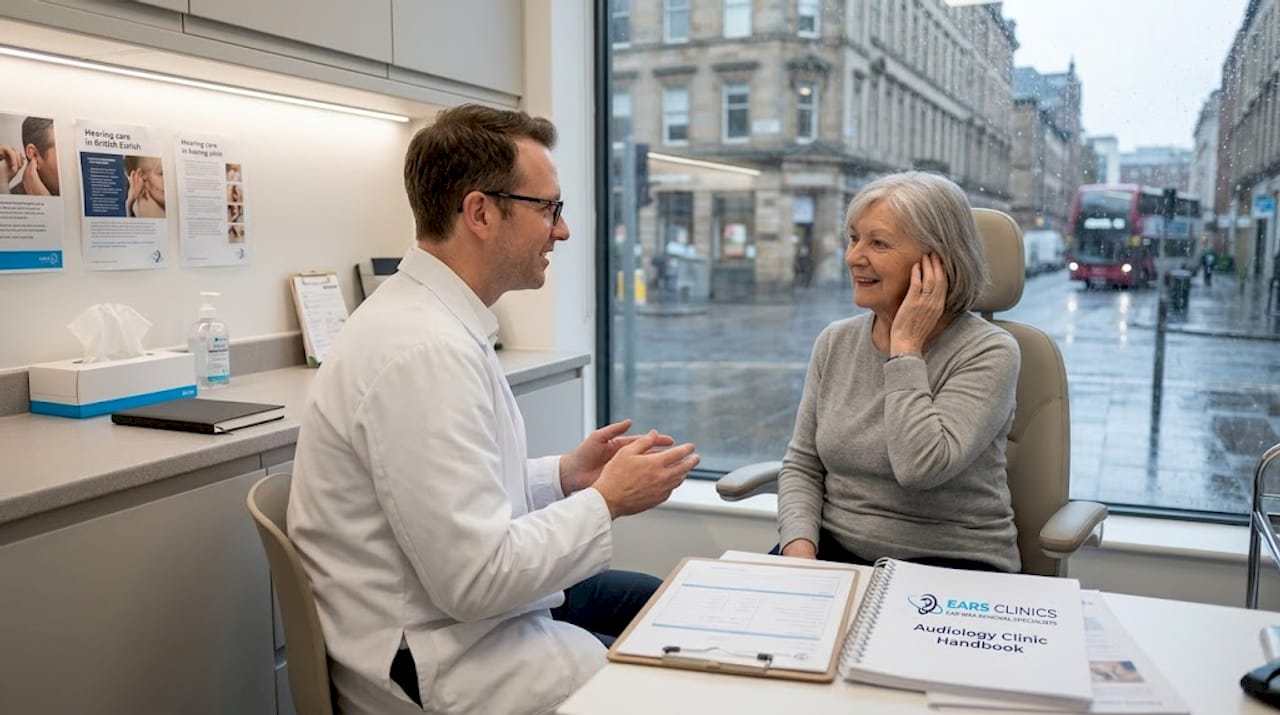
TL;DR:
Untreated earwax buildup can cause hearing loss, ear pain, tinnitus, and mental health issues.
Prompt, regulated microsuction is the safest and most effective method for earwax removal.
Accessing immediate private ear care prevents complications and protects overall well-being.
Earwax build-up is far more than a minor inconvenience. For thousands of people across Glasgow and Edinburgh, untreated earwax is contributing to real, measurable harm, including hearing loss, social withdrawal, and time off work. Yet many still delay seeking help, often because they assume it will clear on its own or because NHS waiting times feel too daunting to navigate. Untreated earwax buildup leads to symptoms including hearing loss, earache, tinnitus, poor mental health, and lost working days. This article covers the real risks of delayed care, why regulated private clinics offer a superior alternative, and how to take prompt, safe action.
Key Takeaways
Point | Details |
Delayed ear care risks | Untreated issues like wax build-up can cause hearing loss, pain, and even mental health problems. |
Immediate care is safer | Prompt help from regulated clinics prevents escalation and minimises the risk of complications. |
Microsuction advantages | Modern, regulated microsuction is safer and more effective than outdated or DIY methods. |
Act quickly for best outcomes | Recognising symptoms early and choosing trusted providers can save your hearing and well-being. |
The hidden risks of delaying ear care
Having established why earwax isn’t just a minor issue, let’s look at what happens when care is delayed. Most people associate earwax with mild irritation. The reality is considerably more serious, particularly when build-up goes unaddressed for weeks or months.
Earwax build-up affects up to 50% of those with hearing loss and significantly increases the risk of earache, tinnitus, and mental health difficulties. These aren’t abstract figures. They represent real people in Glasgow and Edinburgh who are struggling to hear their family, colleagues, or the television clearly.
The most common symptoms of untreated earwax build-up include:
Partial or full hearing loss in one or both ears
Earache or a sensation of pressure inside the ear canal
Tinnitus, a persistent ringing or buzzing sound
Dizziness or balance difficulties
Social withdrawal due to communication difficulties
Time off work caused by discomfort or inability to concentrate
When NHS ear care services are unavailable or subject to long waits, many people turn to DIY solutions. Cotton buds, ear candles, and over-the-counter kits are widely used despite repeated warnings from healthcare professionals. These approaches do not remove wax safely. They often push wax deeper into the ear canal, causing impaction and increasing the risk of infection or even damage to the eardrum.
The absence of readily accessible, regulated ear care across Scotland creates a worrying gap. When people cannot access proper treatment promptly, they take matters into their own hands, and that’s when minor problems become serious ones. Delays also mean that conditions such as tinnitus or ear infections can develop and become much harder to treat over time.
Why immediate, regulated ear care is vital
If delaying treatment can be so costly, why is immediate, regulated care the gold standard? The answer lies in what happens when symptoms are addressed quickly by qualified professionals rather than ignored or managed with ineffective home remedies.
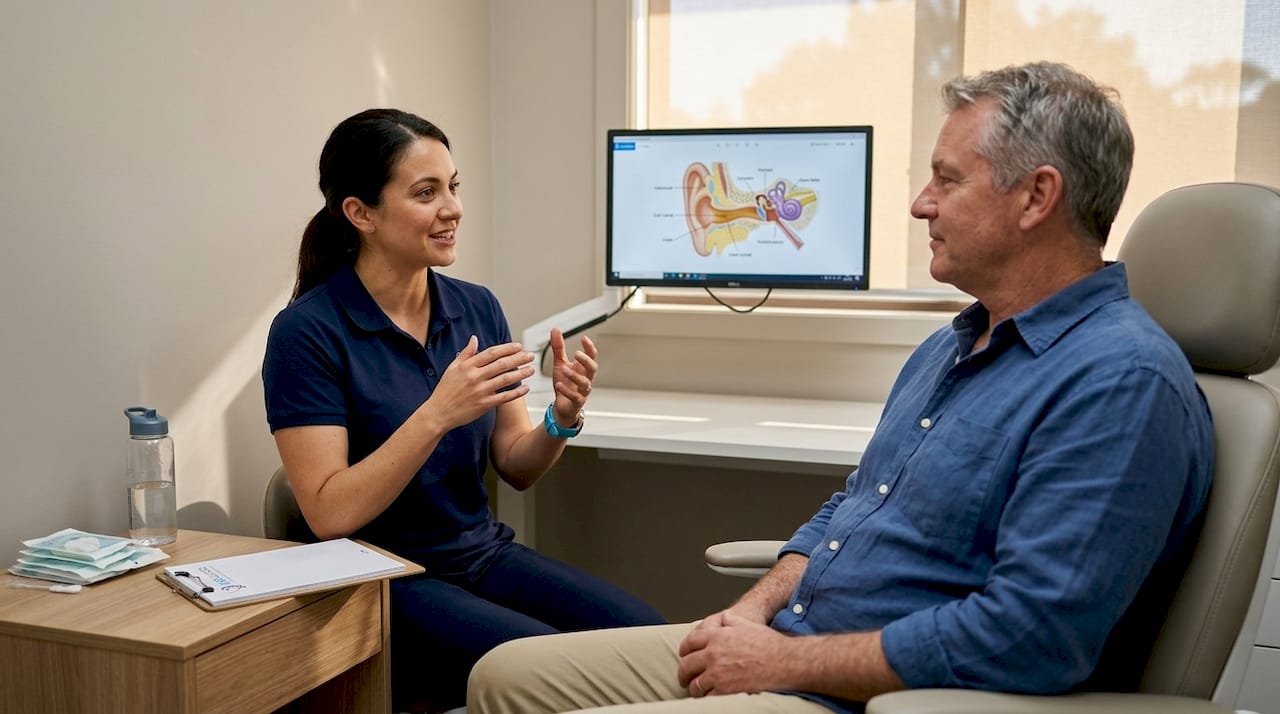
Immediate care prevents escalation to infections, tinnitus, and mental health decline. Private regulated clinics, particularly those offering microsuction, are increasingly prioritised over NHS delays because they deliver prompt, safe, and effective treatment without the postcode lottery that characterises NHS provision in Scotland.
In cities like Glasgow and Edinburgh, access to NHS ear care is inconsistent. Some GP surgeries no longer offer ear syringing at all, and referral pathways to audiology departments can take weeks or even months. This is the postcode lottery in action. Your ability to receive timely ear care may depend entirely on which practice you’re registered with, rather than how urgently you need treatment.
Private regulated clinics offer a straightforward alternative. Consider the key differences:
Feature | NHS ear care | Regulated private clinic |
Waiting time | Weeks to months | Same day or next day |
Availability | Inconsistent by area | Consistent, bookable online |
Methods offered | Variable | Microsuction, irrigation, instrumentation |
Regulation | NHS guidelines | HIS-registered, NHS-accredited |
Pre-treatment conditions | Often required (olive oil drops) | Typically not required |
The benefits of choosing regulated private care are clear, but quality matters enormously. Not every private provider is equally trustworthy.
Pro Tip: Always check that your chosen clinic is registered with Healthcare Improvement Scotland (HIS) and that practitioners hold NHS-accredited Aural Care qualifications. This protects you from unregulated providers who may cause harm.
For a full breakdown of the differences, NHS vs private ear care is worth reviewing before you book. You can also explore a detailed comparison of private versus NHS ear treatment to help you make an informed decision.
Modern ear care: why microsuction leads the way
Now we’ve established the importance of prompt and regulated care, let’s explore the safest and most effective method available. Microsuction has become the preferred technique for professional earwax removal across the UK, and for good reason.
Microsuction uses a fine, low-pressure suction device alongside a microscope or specialist diagnostic ENT tools to remove wax precisely, without introducing water or applying pressure to the ear canal wall. This makes it highly controlled and reduces the risk of discomfort or injury compared with older methods.
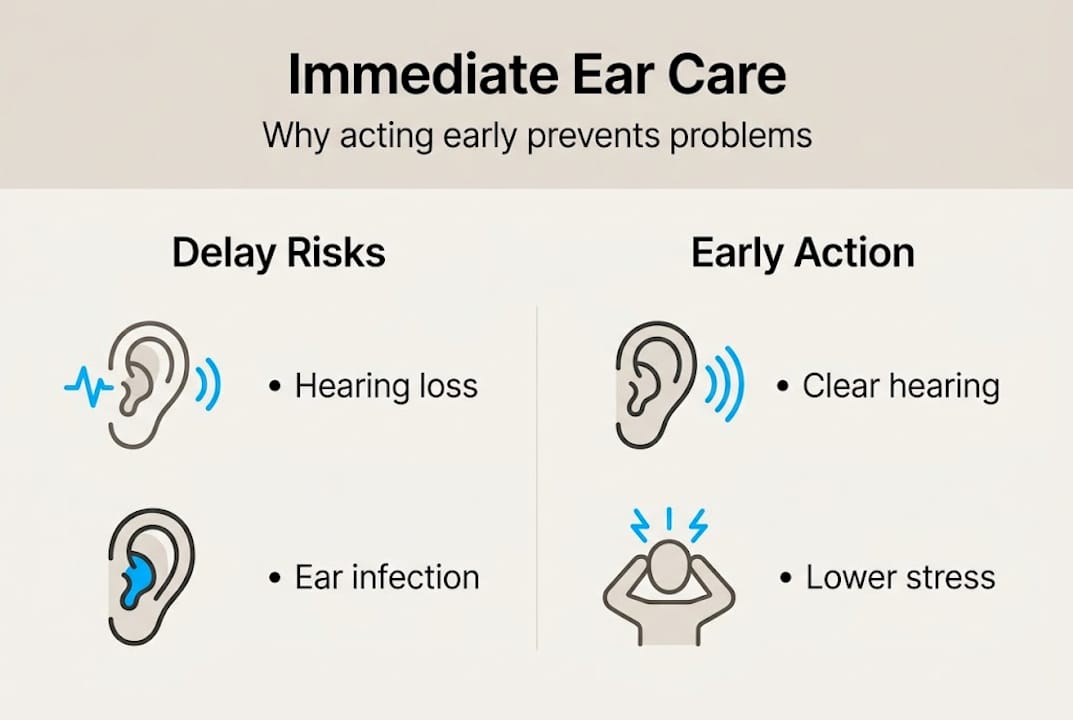
Private regulated microsuction is prioritised over other methods due to its safety profile. Unregulated treatments, including those performed without proper equipment or training, may risk serious injury to the ear canal or eardrum.
It’s also worth acknowledging a nuance here. As BBC reporting has noted, earwax is naturally protective and the ear is largely self-cleaning. However, when symptomatic build-up occurs, expert intervention is necessary. Leaving it unchecked or attempting unregulated removal can cause more harm than the wax itself.
Here’s how microsuction compares with other common methods:
Method | Safety | Comfort | Suitable for most patients | Requires pre-softening |
Microsuction | Excellent | High | Yes | Usually not |
Irrigation | Good | Moderate | Most patients | Often yes |
Ear syringing | Lower | Variable | Not all patients | Yes |
DIY removal | Poor | Unpredictable | No | N/A |
The steps of a typical microsuction appointment are straightforward:
A practitioner examines your ear using an otoscope (a small camera or light tool)
The nature and location of the wax build-up is assessed
A fine suction probe removes the wax under direct visual guidance
The ear is checked again to confirm clearance
You receive aftercare advice to maintain healthy ears going forward
Pro Tip: Only choose clinics where microsuction is performed by NHS-accredited Aural Care Specialists. Understanding what microsuction is and reading about the microsuction advantages can help you feel confident before your appointment.
Taking action: when and how to seek help
Armed with knowledge about techniques and risks, what are your next steps if ear issues arise? The most important thing to understand is that waiting rarely makes the situation better. In most cases, it makes it worse.
Self-management is rising due to clinic shortages, but expert intervention consistently reduces the risk of complications. If you experience any of the following, you should seek professional ear care promptly:
A feeling of fullness or blockage in one or both ears
Sudden or gradual reduction in hearing clarity
Persistent ringing or buzzing sounds (tinnitus)
Earache or discomfort with no obvious cause
Dizziness or a sensation of imbalance
Itching deep inside the ear canal
When you book with a regulated private clinic, here is what the process typically involves:
Book an appointment online or by phone, often available same day
Arrive for a brief initial consultation and ear examination
The specialist assesses which removal method suits your situation
Treatment is carried out, usually in under 30 minutes
You leave with clear ears and tailored aftercare guidance
Before attending, it’s worth asking your provider a few key questions:
Is the clinic registered with Healthcare Improvement Scotland?
Are practitioners NHS-accredited Aural Care Specialists?
What methods do they offer and how do they decide which is appropriate?
Is a home visit available if you cannot travel easily?
Understanding the full microsuction procedure workflow before you attend helps set clear expectations and reduces any anxiety about the process.
The real reason immediate ear care matters more than you think
There is a tendency in public health conversations to frame ear care as a low priority. It’s not a broken leg. It’s not a cardiac event. So people wait. And cities like Glasgow and Edinburgh, despite having excellent healthcare infrastructure, still leave many residents navigating a postcode lottery that quietly erodes their quality of life.
What we’ve seen time and again is that the harm from untreated earwax is cumulative. It starts with muffled sound. Then comes the frustration of asking people to repeat themselves. Then comes the social withdrawal, the reduced confidence, and, for some, genuine mental health difficulties. None of this happens dramatically. It creeps up slowly, which is precisely why people don’t act sooner.
Seeking prompt ear care is not a luxury. It is a practical investment in your communication, your work, and your wellbeing. Making the right ear care choice early puts you back in control of your health rather than leaving you at the mercy of overburdened systems.
Accessing immediate and regulated ear care with confidence
If you’ve recognised any of the symptoms described above, the most reassuring thing we can tell you is that effective, safe treatment is available now, without a long wait.
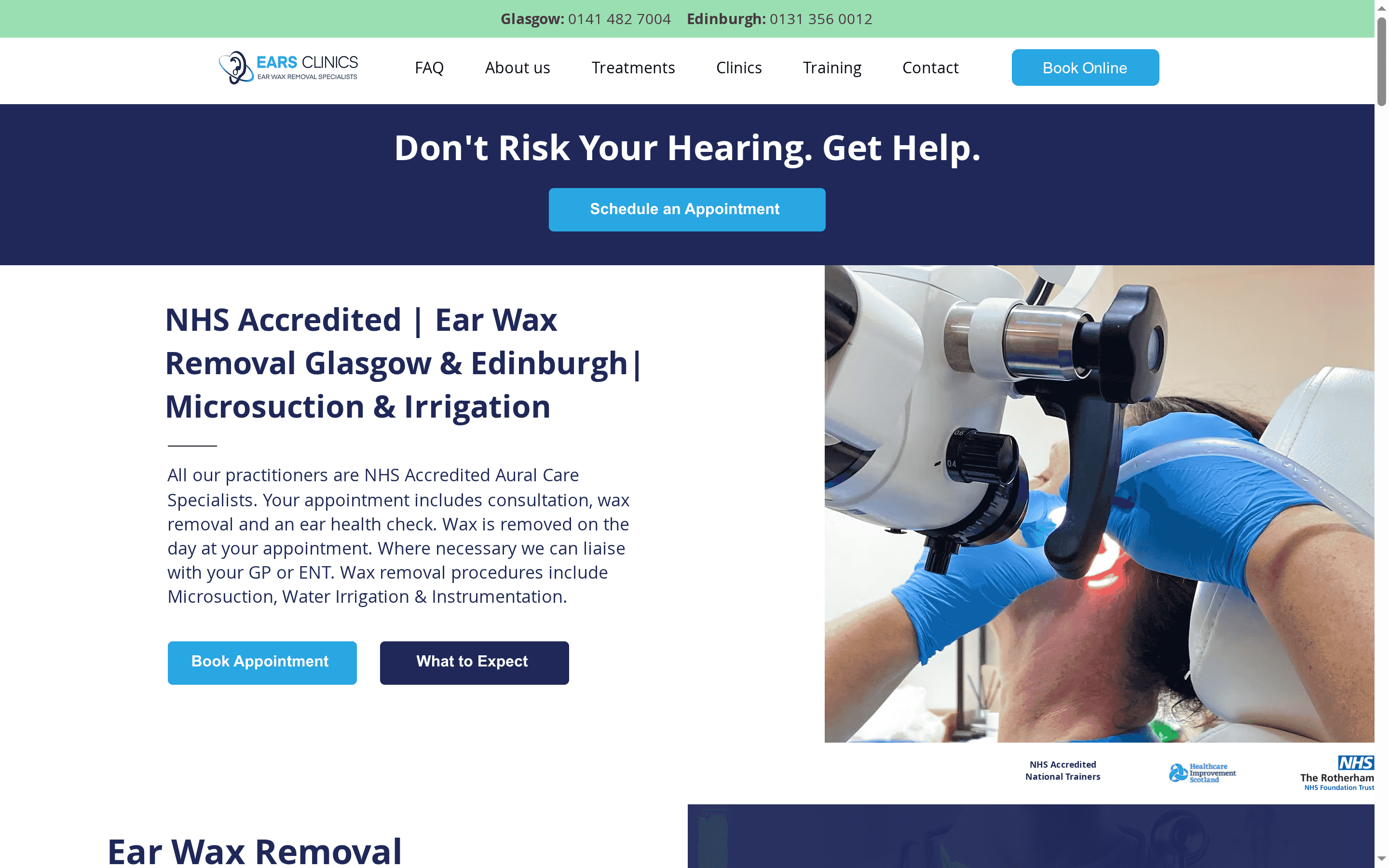
At EARS Clinics, we are one of the few Healthcare Improvement Scotland (HIS) registered ear care providers in Scotland. Our NHS-accredited Aural Care Specialists deliver professional earwax removal in Glasgow and Edinburgh, using microsuction, irrigation, and instrumentation. We treat patients from two years of age, with appointments available in clinic, same day, or as home visits for those who need them. Pricing starts from £60 for adults and £75 for under-18s. Explore the full range of ear wax removal procedures and book with confidence today.
Frequently asked questions
What are the dangers of removing earwax at home?
DIY removal using cotton buds or ear candles frequently pushes wax deeper into the canal, increasing the risk of impaction, infection, or eardrum injury. Expert intervention consistently reduces these complications compared with self-management approaches.
How soon should I seek ear care if I have symptoms?
You should seek professional help as soon as you notice hearing loss, pain, blockage, or tinnitus. Immediate care prevents worsening symptoms and reduces the likelihood of infections or long-term mental health effects developing.
Is microsuction safe for everyone?
Microsuction is generally the safest available method for most patients, including those with narrow or complex ear canals. However, it must be carried out by regulated professionals to ensure safety and correct technique.
Does earwax build-up affect mental health?
Yes. Around 20% of people with untreated earwax experience social isolation or mental health difficulties as a direct result of the communication challenges and discomfort it causes.
Recommended