
NHS-Accredited Ear Care: Safe Solutions for Children

Every parent faces the challenge of keeping their child’s ears healthy, especially when ear wax causes discomfort or disrupts daily routines. With options ranging from NHS clinics in Glasgow and Edinburgh to accredited specialists, understanding the difference between ordinary care and genuine NHS-accredited ear care can give you reassurance. This article explains NHS-accredited ear care, including what accreditation means, the safest approved techniques, and how regulated practitioners protect your child’s wellbeing.
Key Takeaways
Point | Details |
Importance of NHS Accreditation | NHS-accredited ear care clinics comply with rigorous safety standards, ensuring properly trained practitioners and safe protocols for your child’s ear health. |
Personalised Treatment Approach | Each child’s ear care is tailored based on their specific needs, ensuring the most suitable method, whether microsuction, irrigation, or manual instrumentation. |
Regulatory Oversight | Clinics are overseen by bodies like Healthcare Improvement Scotland and Care Quality Commission, guaranteeing compliance with safety regulations essential for treating children. |
Choosing Between NHS and Private Care | Decisions should weigh factors like urgency, convenience, and waiting times, as both NHS and private options provide safe and effective ear care. |
Defining NHS-Accredited Ear Care and Key Concepts
NHS-accredited ear care represents professional ear health services that meet rigorous standards set by regulatory bodies and align with best practice guidelines. For parents seeking safe treatment for their children in Glasgow and Edinburgh, understanding what this accreditation actually means is the first step toward confident decision-making.
Accreditation ensures that clinicians follow standardised protocols developed through clinical expertise and evidence-based practice. NHS specialised ear services establish clear frameworks for safe, effective ear care delivery across the United Kingdom. This structured approach protects patients by setting measurable standards that clinicians must meet.
What NHS Accreditation Actually Means
When an ear care clinic holds NHS accreditation, it signifies three key commitments:
Regulatory compliance – The clinic meets standards set by Healthcare Improvement Scotland (HIS) or the Care Quality Commission (CQC)
Trained practitioners – All clinicians are qualified Aural Care Specialists with verified competency
Safety protocols – Procedures follow evidence-based guidelines that prioritise patient wellbeing
For children specifically, accreditation is particularly important. Young patients require extra care considerations, and accredited clinics demonstrate they understand paediatric ear health and can adapt their approach accordingly.
NHS accreditation isn’t just a badge—it’s proof that a clinic follows strict safety standards and employs trained professionals equipped to handle your child’s ear care.
Key Concepts in NHS-Accredited Ear Care
Three core procedures form the foundation of safe ear care. Your child’s preferred method will depend on their medical history, the type of earwax buildup, and clinical assessment by the practitioner.
Microsuction uses gentle suction under magnification to remove earwax. It’s precise, safe for most children, and doesn’t involve water or instruments inside the ear canal.
Irrigation uses controlled water flow to soften and flush earwax. It works well for certain wax types but requires careful technique to avoid complications.
Manual instrumentation involves carefully removing wax using specialised instruments. Trained practitioners select this when other methods aren’t suitable for your child’s individual situation.
The practitioner assesses your child’s ear health and selects the safest, most suitable procedure. This personalised approach—rather than a one-size-fits-all method—is what genuine NHS-accredited care delivers.
Why Accreditation Matters for Your Child
Your child’s ears are delicate. Improper technique can cause damage that affects hearing development and comfort. What constitutes NHS ear care goes beyond simply removing wax; it encompasses thorough assessment, appropriate technique selection, and follow-up care.
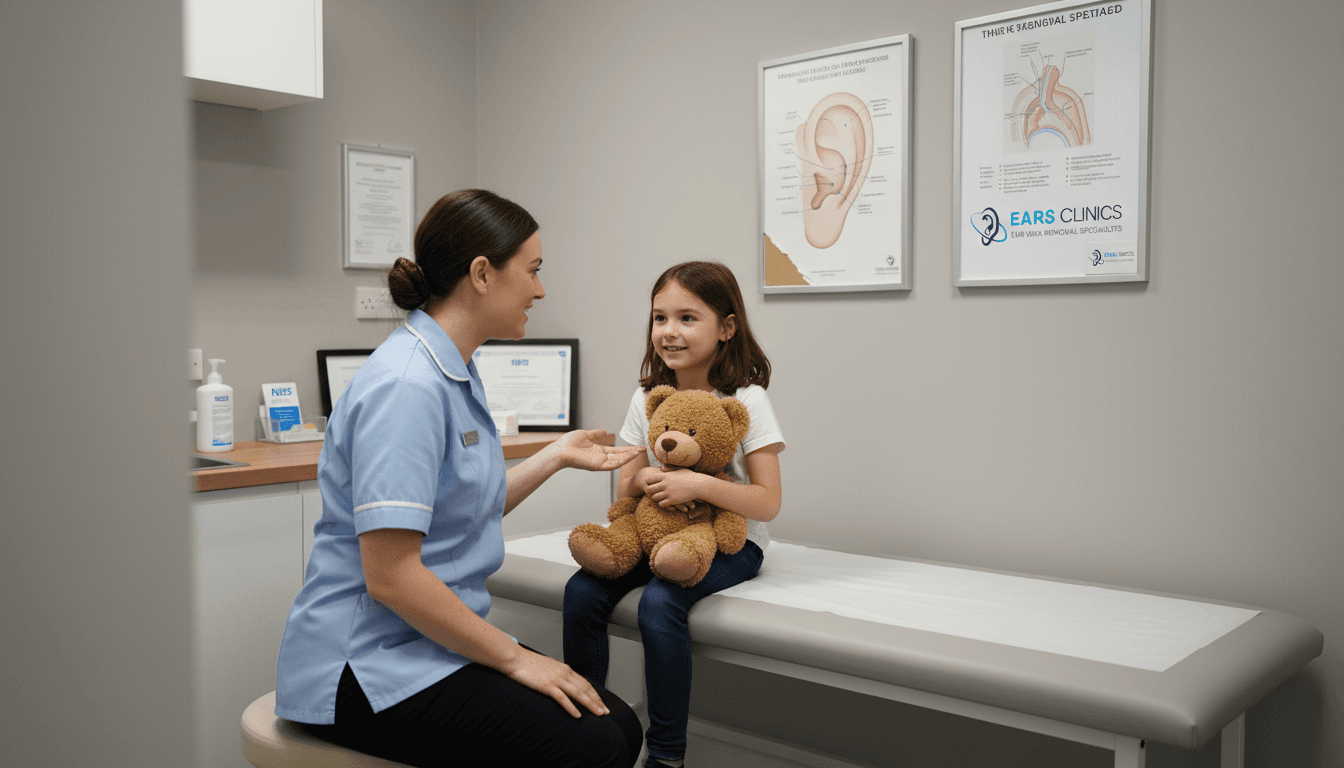
Accredited clinics in Glasgow and Edinburgh follow strict infection control standards, use properly maintained equipment, and maintain detailed clinical records. These practices reduce risk and ensure your child receives appropriate care aligned with their specific needs.
Looking for convenience alongside safety? Same-day appointments and home visit options are available through qualified clinicians who meet NHS standards, so you don’t sacrifice quality for accessibility.
Pro tip: When booking your child’s appointment, ask specifically about the practitioner’s qualifications and whether they’re HIS or CQC registered—this one question confirms you’re getting genuine NHS-accredited care.
Approved Ear Wax Removal Techniques Explained
Ear wax removal is an invasive procedure that demands precision, training, and proper technique. Three approved methods form the foundation of safe ear care for children: microsuction, irrigation, and manual instrumentation. Understanding how each works helps you make informed decisions about your child’s treatment.
Ear wax removal requires expert knowledge to avoid damage to delicate ear structures. The National Aural Care Strategy Group emphasises that only trained practitioners should perform these procedures. Your child’s practitioner will assess their specific situation and recommend the safest approach.
Microsuction: Precision and Safety
Microsuction uses gentle suction under magnification to remove ear wax without water or instruments inside the ear canal. It offers several advantages for children:
Precise control – The practitioner sees exactly what they’re doing via magnification
Minimal discomfort – No water means no unexpected sensations for anxious children
Suitable for most cases – Works well even when wax is hard or impacted
Quick procedure – Usually completed within minutes
Microsuction is the preferred method recommended by current guidelines because it delivers excellent results with minimal risk when performed by trained specialists.
Irrigation: Effective When Appropriate
Irrigation uses controlled water flow to soften and flush away ear wax. This method works particularly well for certain wax types, though it requires careful technique.
Before irrigation begins, safe ear care protocols require practitioners to assess the ear thoroughly. They check for perforation, ventilation tubes, or other conditions that would make irrigation unsuitable. Wax-softening agents are often applied first to prepare the ear.
Irrigation is effective, but only when the ear has been properly assessed and the patient is suitable for this method—never a one-size-fits-all approach.
Manual Instrumentation: Skilled Removal
Manual instrumentation involves using specialised instruments to carefully remove wax. Trained practitioners select this method when microsuction or irrigation aren’t suitable for your child’s individual circumstances.
This technique requires significant skill and experience. The practitioner must:
Visualise the ear canal clearly
Position instruments with precision
Avoid touching the sensitive ear canal walls
Work efficiently to minimise discomfort
Your child’s practitioner chooses the most appropriate method based on wax consistency, ear canal shape, medical history, and their comfort level.
To clarify the approved ear wax removal methods for children, see this summary:
Technique | Main Benefit | Common Suitability | Considerations |
Microsuction | Highly precise removal | Most children, hard wax | Minimal discomfort, no water |
Irrigation | Softens/flushed wax | Some wax types, soft wax | Avoid with tubes/perforation |
Manual Instruments | Skilled direct approach | When other methods unsuitable | Requires experienced clinician |
How Practitioners Choose the Right Technique
The decision isn’t made lightly. Clinical assessment comes first, examining your child’s ears thoroughly under magnification. The practitioner considers:
Type and density of ear wax
Ear canal anatomy
Previous ear problems or surgery
Your child’s age and anxiety levels
Any existing ear conditions
This personalised approach ensures your child receives the safest, most effective treatment for their specific needs—not a standardised procedure applied to everyone.
Pro tip: Ask your practitioner which technique they recommend and why it’s best for your child—this shows they’ve assessed your child individually rather than defaulting to one method.
Practitioner Qualifications and Regulatory Standards
Not all ear care practitioners are created equal. Your child deserves treatment from someone with verified qualifications and proper regulatory oversight. Understanding what makes a practitioner trustworthy ensures you’re choosing genuine professional care.
In the UK, ear care professionals are regulated by law through defined regulatory bodies that enforce strict standards. These regulators verify qualifications, maintain professional standards, and protect public safety. This means your chosen practitioner has met rigorous requirements before treating your child.
What Qualifications Matter
A qualified Aural Care Specialist has completed specific training in ear health and wax removal procedures. Look for practitioners who hold:
Formal ear care qualifications – Specialist training beyond general healthcare
Competency verification – Demonstrated ability to perform procedures safely
Continuing professional development – Ongoing training to maintain expertise
Professional registration – Listed with a recognised regulatory body
These qualifications aren’t optional extras—they’re proof that the practitioner understands ear anatomy, infection control, and how to handle complications.
Regulatory Bodies That Protect You
Two key regulators oversee ear care in Scotland: Healthcare Improvement Scotland (HIS) and Care Quality Commission (CQC) in England. These bodies:
Inspect clinics and verify standards compliance
Maintain registers of approved practitioners
Investigate complaints and enforce disciplinary action when needed
Set minimum requirements for safe practice
When you book with an HIS or CQC registered clinic, you know they’ve been independently assessed and approved.
A regulated clinic isn’t just following guidelines—it’s proven its commitment to safety through independent inspection and oversight.
Why Regulation Matters for Children
Children’s ears are particularly vulnerable. Improper technique can cause lasting damage during critical hearing development years. Regulated practitioners understand paediatric-specific considerations:
How to assess anxious or uncooperative children
Age-appropriate communication and comfort measures
Recognition of conditions requiring specialist referral
Infection control tailored to young patients
The role of an Aural Care Specialist extends beyond simply removing wax—they’re trained to identify when a child needs additional support or referral.
Checking Practitioner Credentials
Before booking, verify your chosen clinic’s regulatory status. Ask directly:
Are you HIS or CQC registered?
What qualifications do your practitioners hold?
Can you provide proof of professional registration?
What continuing training do you undertake?
Legitime clinics answer these questions readily. If a clinic cannot provide clear evidence of regulation or qualifications, it’s a red flag.
The Standard You Should Expect
NHS-accredited care means practitioners follow evidence-based protocols developed by expert groups. They maintain detailed clinical records, use properly maintained equipment, and undertake regular competency assessments. This structured approach reduces risk and ensures consistent, safe care.
Pro tip: Before your appointment, search the clinic name on the HIS or CQC register online—this takes 60 seconds and confirms they’re genuinely regulated and approved.
Safety Protocols for Children and Complex Cases
Children require specialised safety protocols that differ from adult ear care. Their ears are still developing, and anxiety during procedures demands extra sensitivity. Additionally, children with existing medical conditions—such as hearing aids, ventilation tubes, or previous ear surgery—need tailored approaches that protect their unique circumstances.
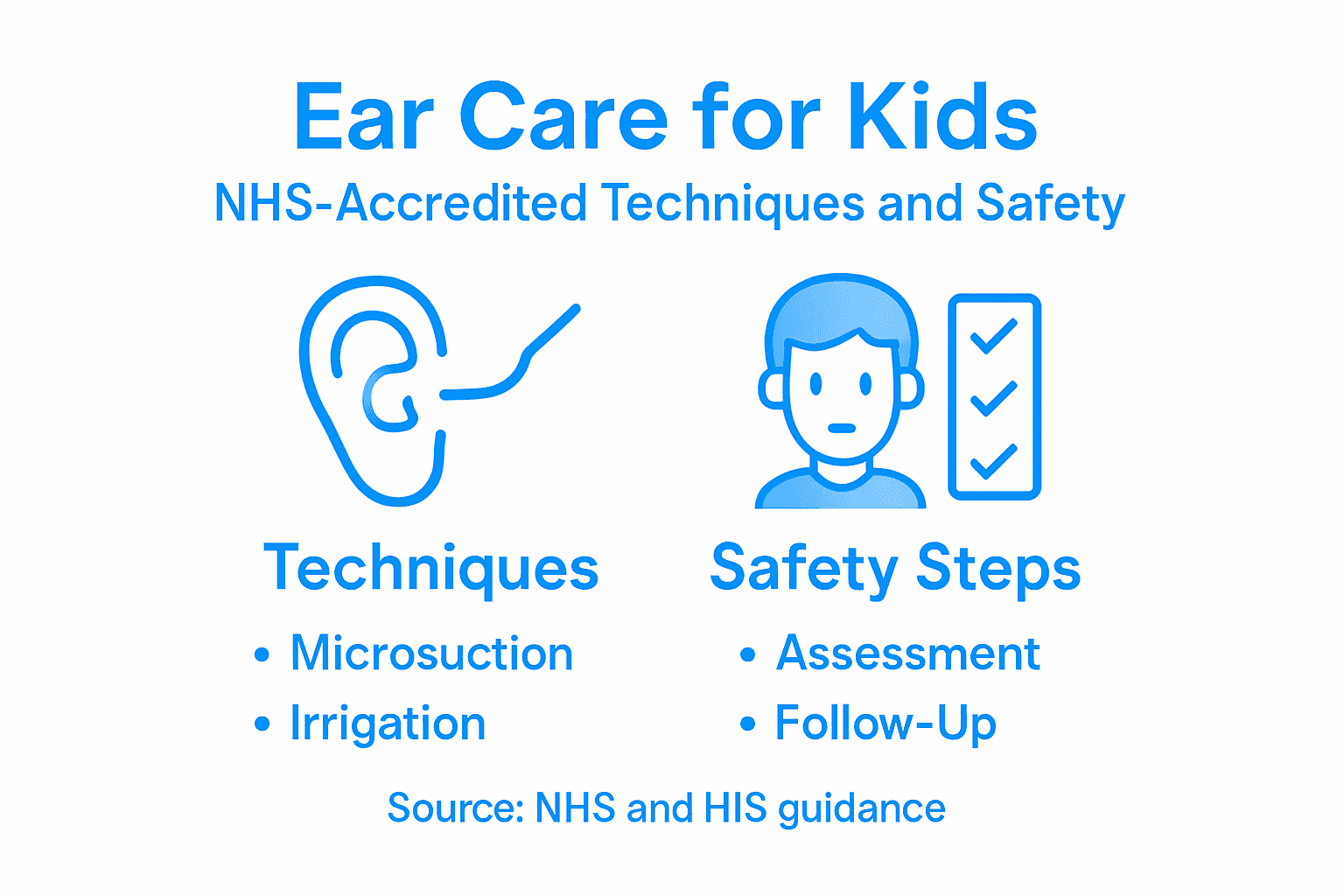
Paediatric hearing services emphasise early identification and intervention through coordinated referral pathways and specialist assessments. This structured approach ensures your child receives appropriate care matched to their specific needs rather than a standardised procedure.
Pre-Procedure Safety Assessment
Before any ear care procedure, trained practitioners conduct thorough assessment. This isn’t a quick check—it’s a comprehensive evaluation that protects your child.
Assessment includes:
Medical history review – Previous ear infections, surgeries, or conditions
Current ear examination – Visual inspection under magnification
Identification of contraindications – Conditions that make certain procedures unsafe
Anxiety assessment – Understanding your child’s comfort level and needs
This detailed groundwork prevents complications and ensures the chosen procedure suits your child’s individual situation.
Pre-procedure assessment isn’t bureaucracy—it’s the safety step that stops problems before they start.
Managing Complex Medical Needs
Children with ventilation tubes, perforated eardrums, or hearing aids require extra caution. High standards for aural care in complex cases reflect the delicate nature of these situations and the potential for coexisting complications.
Practitioners with paediatric expertise understand:
Which procedures are safe with ventilation tubes (irrigation must be avoided)
How to protect hearing aids during treatment
When specialist referral is necessary
How to communicate reassuringly with anxious children
If your child has complex needs, ensure your chosen clinic has specific experience with their condition before booking.
Child-Centred Care During Procedures
Safety extends beyond technique to encompass emotional wellbeing. Children who feel safe and understood are less likely to move unexpectedly, which reduces risk during the procedure.
Quality clinics offer:
Age-appropriate explanations – Describing procedures in language your child understands
Comfort measures – Allowing a parent in the room, taking breaks if needed
Minimal anxiety triggers – Using calming language and avoiding unnecessary equipment exposure
Positioning support – Ensuring your child is comfortable and stable throughout
These measures aren’t just kind—they’re essential safety practices that prevent complications.
Post-Procedure Safety and Follow-up
Safety protocols continue after the procedure ends. Practitioners should provide:
Aftercare instructions – What to expect and when to contact the clinic
Activity restrictions – Whether your child should avoid water or strenuous activity
Follow-up assessment – Checking healing and confirming successful treatment
Clear contact details – Access to practitioners if problems develop
This follow-up ensures problems are caught early and your child’s ears heal properly.
Pro tip: If your child has complex medical needs, contact the clinic before booking and describe their condition—this confirms they can safely treat your child rather than discovering limitations on appointment day.
Comparing NHS and Private Ear Care Options
Both NHS and private ear care services can provide safe, effective treatment for children. The choice between them depends on your circumstances, preferences, and priorities. Understanding the differences helps you make the right decision for your family.
Both pathways offer NHS-accredited care when practitioners follow proper standards and regulation. The key distinction isn’t safety—it’s access, waiting times, and convenience factors that may matter to your situation.
NHS Ear Care Services
NHS services provide ear care through general practices, audiology departments, and ENT clinics. Treatment is free at the point of use, which removes financial barriers for families.
NHS ear care strengths:
No cost to patients – Completely free treatment
Integrated care pathway – Links to other NHS services if complications arise
GP referral system – Your child’s GP coordinates specialist referral when needed
Established relationships – Your child’s medical history is already on file
However, NHS waiting times vary significantly by region. In some areas, waits exceed 12 weeks for routine ear wax removal, which can prolong your child’s discomfort.
Private Ear Care Services
Private clinics like EARS Clinics offer NHS-accredited ear care outside the NHS system. You pay directly, but gain immediate access and flexible scheduling.
Private ear care advantages:
Shorter waiting times – Same-day or next-day appointments available
No preconditions – Treatment proceeds without mandatory GP referral
Flexible scheduling – Evening and weekend availability suits busy families
Home visit options – Treatment at your home if clinic visits are inconvenient
Child-focused environment – Clinics designed specifically for paediatric needs
NHS and private ear treatment choices both deliver safe outcomes when practitioners meet accreditation standards. The difference lies in convenience and speed rather than quality of care.
Here is a comparison of NHS and private paediatric ear care options to help guide your decision:
Aspect | NHS Ear Care | Private Ear Care |
Waiting Time | Up to 12 weeks in some areas | Same-day or next-day access |
Cost to Patient | Free at point of use | £75 clinic, £180 home visit |
Referral Requirement | GP referral often needed | Direct booking available |
Access to Specialists | Linked to NHS pathway | Referral if needed |
Convenience Factors | Standard NHS hours | Flexible scheduling, home visits |
Cost Comparison
Private ear wax removal typically costs £75 for children under 18, with home visits at £180. This investment eliminates waiting periods and provides immediate relief from your child’s ear discomfort.
For families where waiting times cause genuine hardship—school absences, hearing affecting learning, or children with anxiety—private care offers peace of mind through rapid access.
Making Your Decision
Consider these questions:
How urgently does your child need treatment?
Are NHS waiting times in your area lengthy?
Does your child’s anxiety make waiting difficult?
Would convenience (home visits, flexible hours) improve compliance?
Is cost a significant factor in your decision?
There’s no wrong answer. Some families prefer NHS continuity; others value private clinics’ speed and flexibility. Both pathways support your child’s ear health when standards are met.
The best ear care isn’t necessarily the most expensive—it’s the treatment your child receives promptly, safely, and with minimal anxiety.
Pro tip: If NHS waiting times exceed 6 weeks and your child is experiencing discomfort or anxiety, private ear care removes the wait without sacrificing safety or accreditation standards.
Trusted NHS-Accredited Ear Care for Your Child in Glasgow and Edinburgh
Ensuring safe and effective ear care for children is a top priority. If your child is experiencing discomfort or hearing difficulties due to wax buildup, it is vital to trust practitioners who follow rigorous NHS standards and use approved methods like microsuction, irrigation, or manual instrumentation. At EARS Clinics, our NHS-accredited Aural Care Specialists provide expert assessments tailored to your child’s unique needs, including complex cases, using the safest and most appropriate techniques.
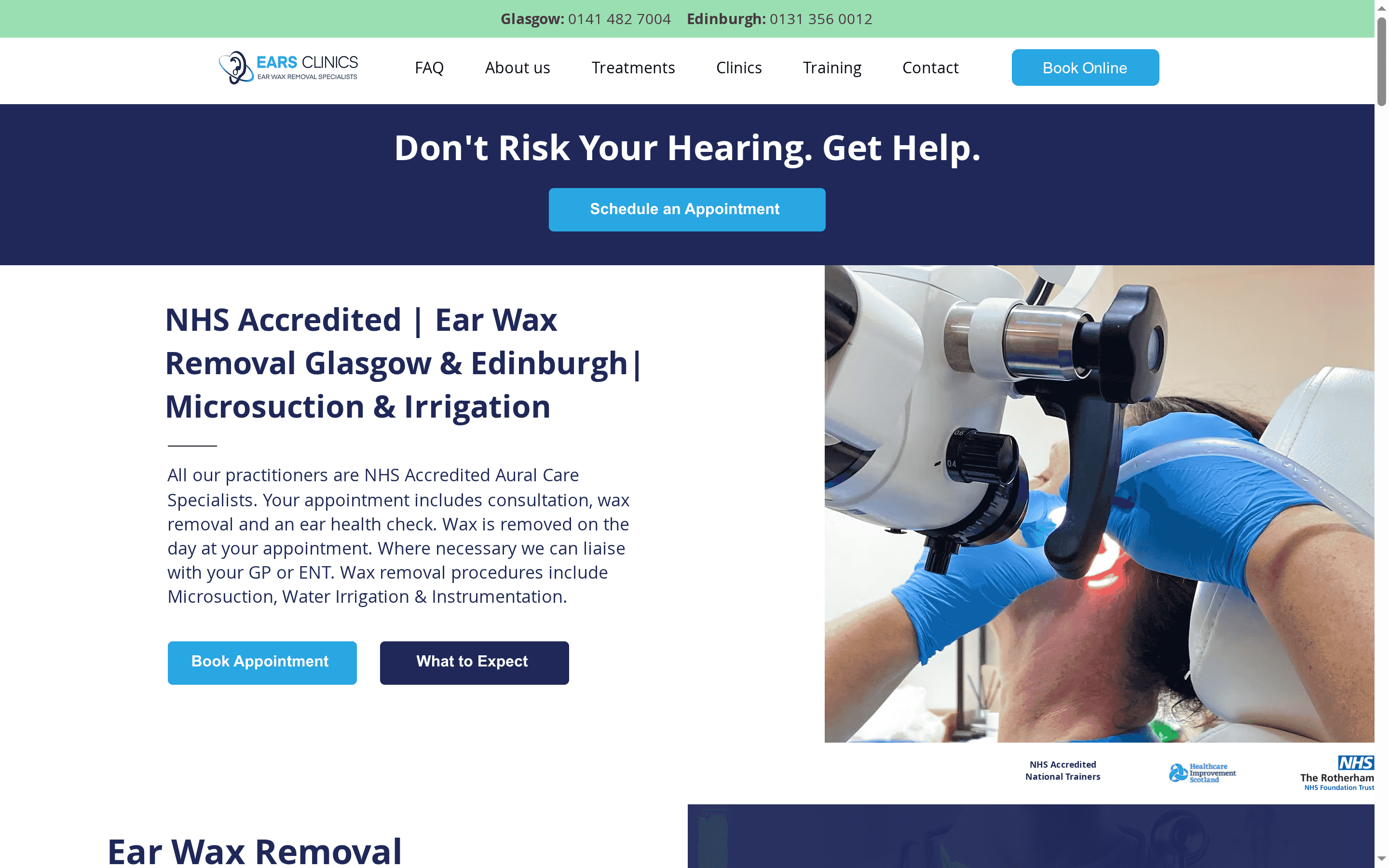
Choose convenience without compromise. Benefit from same-day appointments, home visits, and clinics regulated by Healthcare Improvement Scotland (HIS) that adhere to strict safety protocols. Book your child’s appointment today at EARS Clinics and experience professional, compassionate ear care designed specifically for young patients. Learn more about our ear wax removal techniques and why regulated practitioners matter to your child’s ear health.
Frequently Asked Questions
What does NHS-accredited ear care mean?
NHS-accredited ear care signifies that a clinic adheres to strict standards set by regulatory bodies, ensuring that ear care services delivered are safe, effective, and evidence-based.
What techniques are commonly used in NHS-accredited ear care for children?
The three common techniques are microsuction, irrigation, and manual instrumentation. Each method is selected based on the child’s specific needs and ear health assessment.
Why is accreditation important for my child’s ear care?
Accreditation ensures that the clinic employs trained practitioners who follow established safety protocols, providing a higher standard of care specifically suited to children’s delicate ear health.
How can I verify that a clinic is NHS-accredited?
You can confirm a clinic’s NHS accreditation by asking if they are registered with Healthcare Improvement Scotland (HIS) or the Care Quality Commission (CQC), or by checking their status on the respective regulatory bodies’ websites.
Recommended