
Safe Ear Care for Children – Expert-Led Approaches

Every parent knows how quickly concerns about ear health can escalate for young children in Glasgow and Edinburgh, especially when symptoms like muffled hearing or discomfort appear. Proper ear care matters because issues such as earwax buildup is often caused when cotton swabs or fingers push wax deeper into the canal, putting children at risk for discomfort or hearing loss. This guide addresses what parents need to know—covering safe treatment options, signs to watch for, and expert advice for immediate, child-friendly solutions.
Key Takeaways
Point | Details |
Comprehensive Ear Care | Children’s ear health requires monitoring physical structure, hearing development, and risk of infections to support optimal growth. |
Preventive Measures | Regular check-ups with a paediatric ear specialist can facilitate early detection of issues, significantly impacting a child’s developmental trajectory. |
Safe Ear Wax Management | Parents should avoid dangerous home remedies for ear wax removal and rely on professional techniques to prevent complications. |
EARS Clinics Services | EARS Clinics provide accessible and transparent ear care solutions tailored for children, ensuring comfortable and safe treatments. |
Understanding Ear Care Needs in Children
Ear care for children involves complex considerations that extend beyond simple hygiene. Congenital ear abnormalities can present both aesthetic and developmental challenges that require professional assessment and targeted interventions.
Children’s ear health encompasses several critical aspects that parents and healthcare professionals must carefully monitor:
Physical ear structure and potential malformations
Hearing development and auditory processing capabilities
Risk of chronic ear infections
Impact of ear conditions on language and social development
Paediatric ear care requires a nuanced understanding of how early detection and intervention can significantly influence a child’s overall developmental trajectory. Chronic ear infections represent a particularly important concern, as they can cause temporary hearing loss and potentially disrupt critical language acquisition stages.
Healthcare professionals recommend comprehensive ear assessments that include:
Detailed physical examinations
Audiological testing
Assessment of potential anatomical variations
Monitoring developmental milestones related to hearing
Timely recognition of ear-related issues is crucial. Early intervention within the first few months of life can prevent long-term developmental complications and support optimal hearing health.
Pro tip: Schedule regular ear health check-ups with a paediatric ear specialist to proactively monitor your child’s ear development and address potential concerns early.
Common Causes of Ear Wax Build-Up
Ear wax build-up in children is a complex issue with multiple potential triggers that parents and healthcare professionals should understand. Earwax buildup in children can result from various factors that impact ear canal health and cleanliness.
Several key causes contribute to excessive ear wax accumulation:
Inappropriate cleaning techniques
Frequent use of earplugs or hearing devices
Genetic predisposition to wax production
Anatomical variations in ear canal structure
Repeated insertion of objects into the ear canal
One of the most common mistakes parents make is using cotton swabs or fingers to clean their child’s ears. These actions often push wax deeper into the ear canal, compacting the wax and increasing the risk of blockages. Earwax is actually a protective substance that naturally cleans and moisturises the ear canal, serving as a crucial defence mechanism against infections and debris.
Children may be more susceptible to ear wax build-up due to several unique factors:
Smaller and more narrow ear canals
Less developed ear hygiene habits
Higher likelihood of inserting foreign objects
Increased susceptibility to environmental irritants
Understanding these causes helps parents and caregivers take proactive steps to manage ear wax and prevent potential hearing complications.
Pro tip: Consult a paediatric ear specialist before attempting any at-home ear cleaning, as improper techniques can cause more harm than good.
Recognising Symptoms and When to Seek Help
Understanding the signs of ear wax build-up is crucial for parents to ensure their children’s ear health. Earwax buildup symptoms can manifest in various ways that signal potential medical intervention may be necessary.
Key symptoms parents should closely monitor include:
Reduced or muffled hearing
Persistent ear discomfort
Feelings of ear fullness
Unexplained ear pain
Itching inside the ear canal
Ringing sensations (tinnitus)
Occasional ear discharge
Children may not always communicate their ear discomfort effectively, so parents must remain vigilant. Earwax impaction signs can range from mild irritation to more serious hearing complications that require professional assessment.
Medical professionals recommend seeking immediate professional help if your child experiences:
Consistent hearing difficulties
Severe ear pain
Unresolved ear discharge
Balance or dizziness problems
High fever accompanying ear symptoms
While some ear wax is normal and protective, excessive build-up can lead to potential hearing and developmental challenges. Professional evaluation ensures proper diagnosis and safe removal techniques.
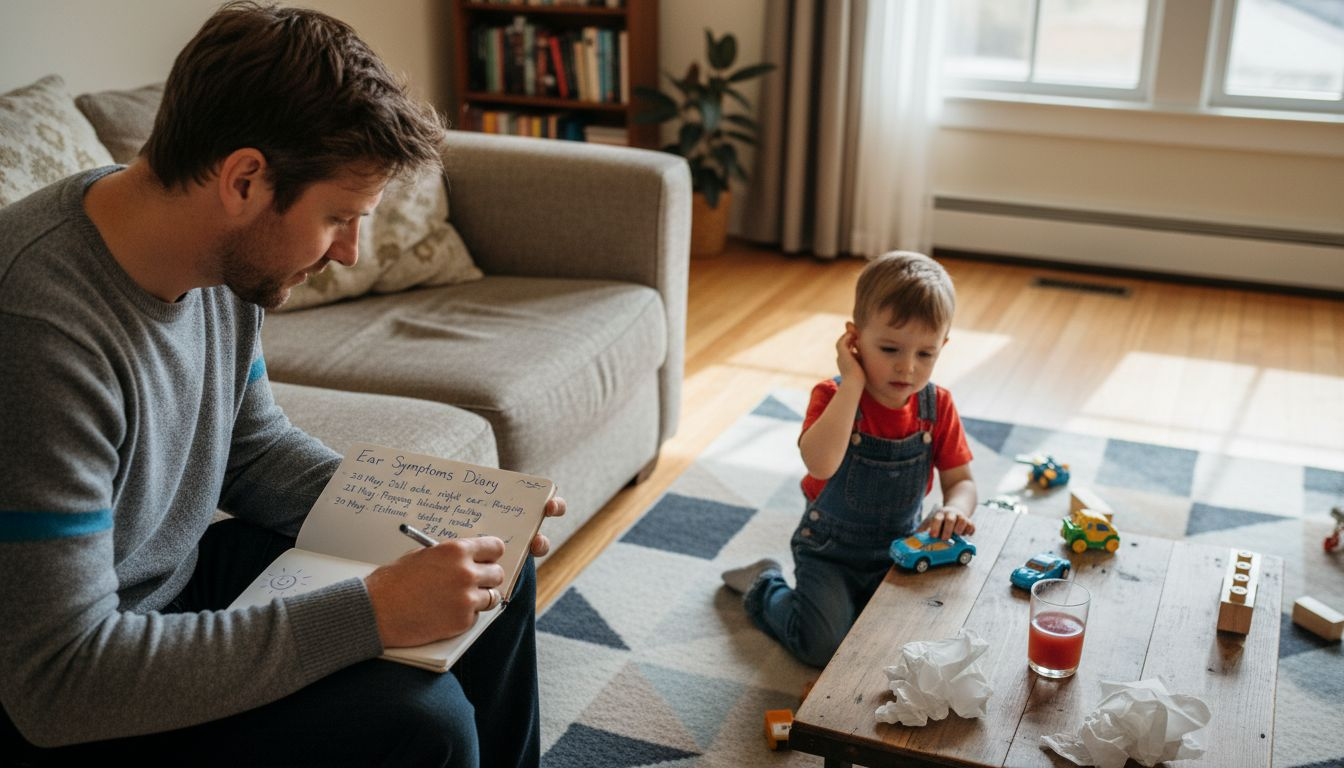
Pro tip: Keep a symptom diary documenting your child’s ear-related issues to provide comprehensive information during medical consultations.
NHS-Accredited Methods for Safe Ear Wax Removal
The National Health Service (NHS) provides clear guidelines for safe and effective ear wax removal techniques specifically designed to protect children’s delicate ear health. NHS ear wax removal methods emphasise professional intervention and cautious approaches to prevent potential damage.
NHS-recommended techniques for ear wax management include:
Microsuction: A precise, non-invasive professional procedure
Ear irrigation: Controlled water-based removal technique
Manual instrumentation: Specialist removal using specific medical tools
Softening ear drops: Olive oil or sodium bicarbonate solutions
Professional clinical assessment: Comprehensive ear health evaluation
Healthcare professionals strongly advise against dangerous home remedies that can cause significant harm. NHS-approved ear wax treatments specifically recommend avoiding:
Cotton buds or any self-inserted objects
Ear candles
Aggressive home cleaning methods
Unsupervised wax removal techniques
Clinical specialists emphasise that each child’s ear wax removal strategy must be personalised, considering individual ear canal anatomy, age, and specific medical history. Proper technique selection requires professional assessment to ensure maximum safety and minimal discomfort.
Here’s how professional ear wax removal methods compare for children:
Method | Procedure Type | Suitability for Children | Key NHS Safety Features |
Microsuction | Non-invasive, suctioned | Ideal for sensitive ear canals | Precise, avoids ear canal trauma |
Ear irrigation | Water-based flushing | Used with anatomical caution | Controlled pressure, by specialists |
Manual instrumentation | Specialist medical tools | Suitable with experienced staff | Direct, requires professional skill |
Softening ear drops | Topical application | Safe for most children | NHS-approved ingredients only |
Pro tip: Always consult a registered audiologist or NHS-certified ear care specialist before attempting any ear wax removal procedure for children.
Dangers of Home Remedies and Unregulated Clinics
Parents must understand the significant risks associated with home ear wax removal techniques and unqualified medical interventions. Home remedies for earwax pose substantial dangers to children’s delicate ear structures and hearing health.
Common hazardous home remedies that parents should strictly avoid include:
Cotton swabs or ear buds
Ear candling techniques
Improvised cleaning implements
Untested chemical solutions
Aggressive manual removal methods
These dangerous practices can lead to severe complications such as:
Permanent ear canal injury
Eardrum perforation
Increased infection risks
Potential hearing loss
Deeper wax impaction
Unregulated clinic practices represent another significant risk, where inadequately trained personnel might perform unsafe procedures without proper understanding of paediatric ear anatomy. Professional, regulated clinics follow strict protocols to ensure patient safety and use evidence-based interventions.
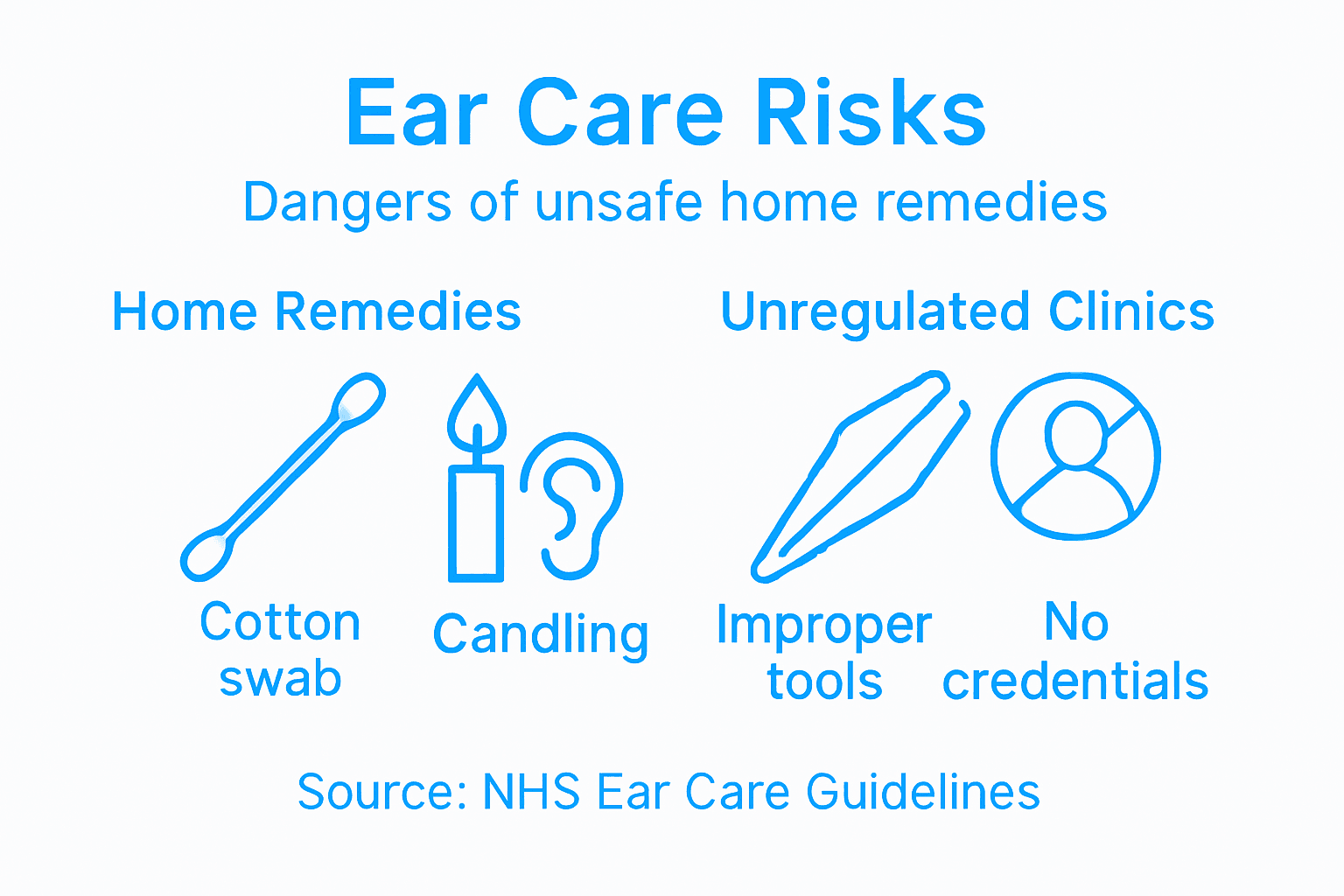
Pro tip: Always verify a clinic’s professional credentials and regulatory compliance before allowing any ear wax removal procedure for your child.
Costs, Access, and Specialist Support at EARS Clinics
EARS Clinics provides comprehensive and transparent ear healthcare solutions for children across Glasgow and Edinburgh, with specialised pricing structures designed to accommodate different family needs. Regulated ear clinics ensure professional, safe, and standardised care for paediatric ear health.
Our pricing structure for ear wax removal services includes:
Under-18s Treatment: £75 per session
Home Visits: £180 for specialised on-site care
Comprehensive Clinical Assessment: Included in treatment cost
Follow-up Consultations: Complimentary within 30 days
Access to our services is streamlined through multiple convenient booking options:
Online appointment scheduling
Same-day appointment availability
Telephone booking
Walk-in consultations (subject to availability)
Child-friendly ear care facilities are designed to create a comfortable, stress-free environment for young patients. Our Healthcare Improvement Scotland (HIS) registered clinics prioritise patient comfort, using gentle techniques specifically adapted for children’s sensitive ear structures.
Below is a summary of EARS Clinics’ paediatric service features:
Service Aspect | Detail | Added Benefit |
Under-18s Treatment | £75 per session | Transparent, fixed cost |
Home Visits | £180 for specialised care | Convenience for families |
Follow-up Consultations | Complimentary within 30 days | Ensures ongoing support |
Booking Methods | Online, phone, walk-in, same-day | Flexible, quick access |
Pro tip: Book early morning or weekend appointments to minimise waiting times and reduce potential anxiety for children.
Expert-Led Ear Care Solutions for Your Child’s Safety and Comfort
Safe ear care for children requires specialised knowledge and precise techniques to avoid complications that can affect hearing and development. If you are concerned about symptoms like ear discomfort, hearing difficulties, or wax build-up, professional assessment and treatment are essential. At EARS Clinics, we focus on gentle, NHS-accredited methods such as microsuction and irrigation performed by fully trained specialists, ensuring your child receives the safest and most effective care.
Do not compromise your child’s ear health with risky home remedies or unregulated services. Choose trusted paediatric ear care from EARS Clinics where appointments are flexible with same-day bookings and home visits available in Glasgow and Edinburgh. Visit EARS Clinics today to book your child’s consultation and give them expert support backed by rigorous safety standards. Learn more about our professional ear wax removal methods and how we prioritise child-friendly care to bring you peace of mind.
Frequently Asked Questions
What are the signs that my child may have ear wax build-up?
Key symptoms include reduced or muffled hearing, persistent ear discomfort, feelings of ear fullness, unexplained ear pain, itching inside the ear canal, ringing sensations (tinnitus), and occasional ear discharge.
How can I safely clean my child’s ears?
It’s important to avoid using cotton swabs or fingers to clean your child’s ears, as these can push wax deeper into the ear canal. Instead, consult a paediatric ear specialist before attempting any cleaning methods, and consider using softening ear drops as recommended by healthcare professionals.
When should I seek medical help for my child’s ear issues?
You should seek immediate professional help if your child experiences consistent hearing difficulties, severe ear pain, unresolved ear discharge, balance or dizziness problems, or a high fever accompanying ear symptoms.
What methods are recommended for safe ear wax removal in children?
NHS guidelines recommend safe methods such as microsuction, ear irrigation, manual instrumentation by specialists, and softening ear drops. Avoid home remedies and consult a registered audiologist for proper care.
Recommended