
Safe ear healthcare in Scotland: Best practices 2026
TL;DR:
Ear wax often resolves naturally and should not be removed with cotton buds or candles.
NHS recommends softening wax with drops for up to two weeks before professional removal.
Microsuction is the safest, most effective professional method, preferred over syringing.
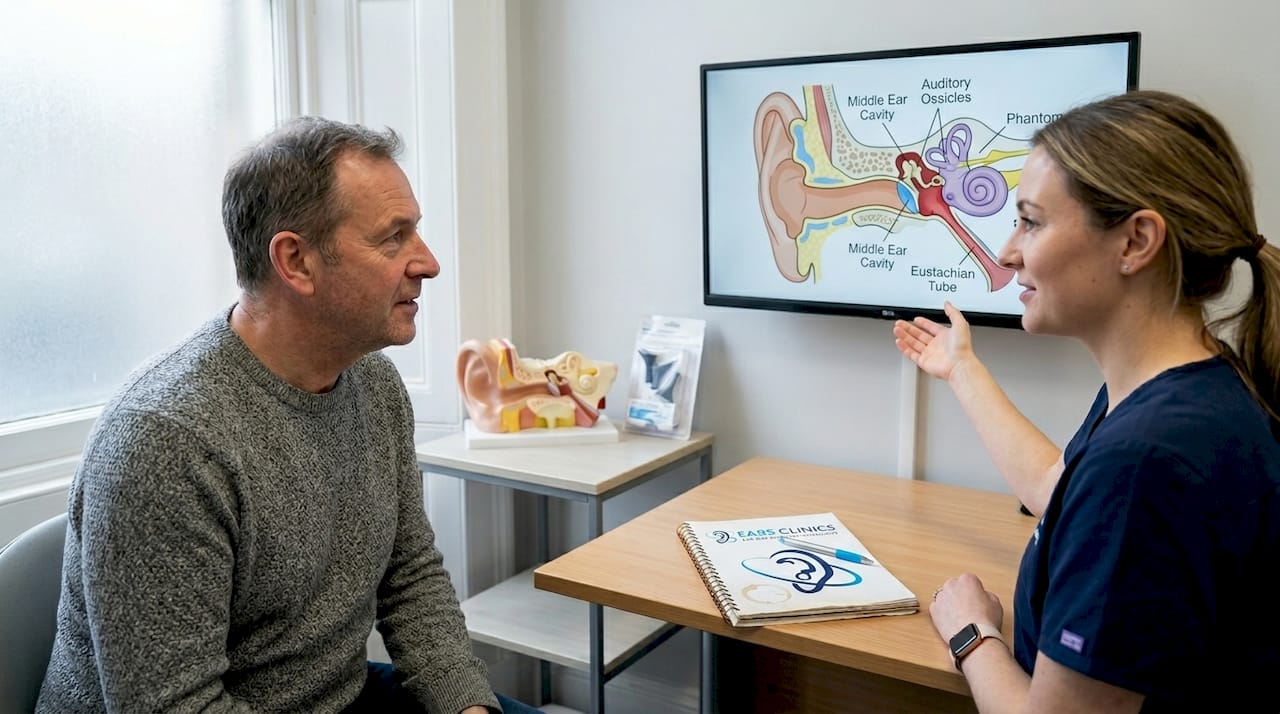
Ear wax, or cerumen as it is medically known, is a natural and protective substance produced by your body. Yet for many people across Scotland, it becomes a source of real discomfort, hearing difficulties, and confusion about what to do next. With conflicting advice online, limited NHS availability in some areas, and a growing number of private clinics offering varying standards of care, it can be genuinely difficult to know which approach is safe, effective, and right for you. This article sets out the evidence-based best practices for ear care in Scotland, helping you make informed decisions at every stage.
Key Takeaways
Point | Details |
DIY can be risky | Home remedies like cotton buds or candles can make things worse and are best avoided. |
Follow NHS guidelines | Start with ear drops for two weeks before seeking professional help. |
NHS vs private care | Private clinics offer quicker access, while the NHS may have long waits but emphasises safety. |
Microsuction is safest | Microsuction has the best safety and success rates for professional ear wax removal. |
Choose accredited providers | Always consult professionals with proper training for best results and peace of mind. |
How to assess your ear care needs: Signs, risks and basics
Recognising whether your ears actually need attention is the first and most important step. Not all ear discomfort signals a wax blockage, and not every blockage requires professional intervention. Understanding the difference can save you time, money, and potential harm.
The most common symptoms of problematic ear wax include:
A sensation of fullness or pressure in the ear
Muffled or reduced hearing on one or both sides
Earache or mild pain without signs of infection
Tinnitus, which is a ringing or buzzing sound in the ear
Itching or an occasional discharge
Dizziness in some cases
If you are experiencing one or more of these symptoms, a wax build-up may well be the cause. However, it is equally important to understand that ears are largely self-cleaning. The jaw’s natural movement during talking and chewing gradually moves old wax outward, so many mild cases resolve without any treatment at all.
Where people most often go wrong is reaching for a cotton bud. It feels intuitive, but it is one of the most counterproductive things you can do. Cotton buds push wax deeper into the ear canal, compacting it against the eardrum and making removal far more difficult. According to Which?'s research, 71% attempt self-removal and around 10% of those people make the problem worse. That is a significant proportion of people inadvertently harming themselves with a household item.
Ear candles are another popular but deeply unsafe option. The idea that a lit hollow candle inserted into the ear canal can draw out wax through suction has no clinical evidence behind it. Worse, they carry genuine risks including burns to the face, ear canal, and eardrum, as well as the possibility of depositing candle wax inside the ear.
Important: If you have a perforated eardrum, a history of ear surgery, or are experiencing sudden severe pain or hearing loss, do not attempt any form of self-treatment. Seek medical advice promptly.
Pro Tip: If your symptoms are mild and recent, give your ears a few days before acting. Warm environments and natural jaw movement may clear things on their own. Learn more about what to expect from NHS ear removal and explore NHS and private ear care options before making any decisions.
Step-by-step: Safe at-home care and when to escalate
After understanding the risks, let’s clarify exactly how to care for your ears safely at home. The good news is that the recommended first step is simple, inexpensive, and available from any pharmacy.
NHS guidelines advise using olive oil or sodium bicarbonate drops to soften wax before considering professional removal. This approach should be followed consistently for up to two weeks before escalating to clinical care. Here is how to do it correctly:
Warm the drops slightly by holding the bottle in your hand for a few minutes. Cold drops can cause temporary dizziness.
Tilt your head to one side so the affected ear faces upward.
Apply two to three drops into the ear canal using a dropper or a clean pipette.
Stay still for five minutes to allow the oil to penetrate and soften the wax.
Repeat twice daily for up to two weeks, alternating ears if both are affected.
Wipe away any excess that drains out with a soft cloth. Do not insert anything into the ear.
This method is safe, evidence-based, and effective for many people with mild to moderate build-up. Sodium bicarbonate drops, available over the counter, work slightly faster for some individuals but may cause mild irritation in sensitive ears.
Knowing when to stop self-treating is just as important as knowing how to start. You should seek professional help if:
Symptoms worsen or do not improve after two weeks of consistent drop use
You develop sudden or significant hearing loss
You experience pain, discharge, or a fever
You have a known history of ear problems, including previous perforations or surgery
Pro Tip: Tolerating mild symptoms for a short period is sometimes the wisest course. Wax that is only partially blocking the canal may shift naturally, especially after a warm shower. Patience, combined with drops, often avoids the need for any further intervention. For those who do need clinical support, understanding the full NHS ear wax removal process beforehand helps set realistic expectations.
Comparing NHS and private ear removal: Access, speed and safety
When home care is not enough, your next choice is NHS or private treatment. Both can be safe and effective, but they differ considerably in terms of access, waiting times, and the procedures offered.
The NHS in Scotland takes a conservative approach by design. Drops are typically required before any appointment is offered, and waiting times for treatment can range from two to eight weeks, sometimes longer depending on your health board. In Scotland, 11 of 14 health boards provide a full ear wax removal service, which means that in some areas, NHS access is limited or unavailable entirely.
Private clinics, by contrast, typically offer same-day or next-day appointments with no requirement to pre-treat with drops. This can be particularly valuable when symptoms are significantly affecting your quality of life, your work, or your ability to communicate.
Feature | NHS | Private (e.g. EARS Clinics) |
Cost | Free at point of care | From £60 (adults), £75 (under-18s) |
Waiting time | 2 to 8 weeks or more | Same day or next day |
Pre-treatment required | Usually yes (drops first) | No |
Microsuction availability | Limited, select patients | Available as first-line treatment |
Home visits | Rarely available | Available from £180 |
Regulated | Yes | Yes, if HIS-registered |
Safety is paramount regardless of which route you choose. Any clinic, NHS or private, should employ trained and accredited practitioners. When considering a private provider, always check that they are registered with Healthcare Improvement Scotland (HIS) or an equivalent regulatory body. This ensures that clinical standards, infection control, and patient safety protocols are properly maintained. You can compare NHS versus private treatment in detail, and review free and paid ear wax removal options to find what suits your circumstances.
Microsuction: The gold standard for safe professional ear care
Knowing the service options available, let’s explore the most advanced and safest professional technique. Microsuction is widely regarded as the preferred method for professional ear wax removal, and for good reason.
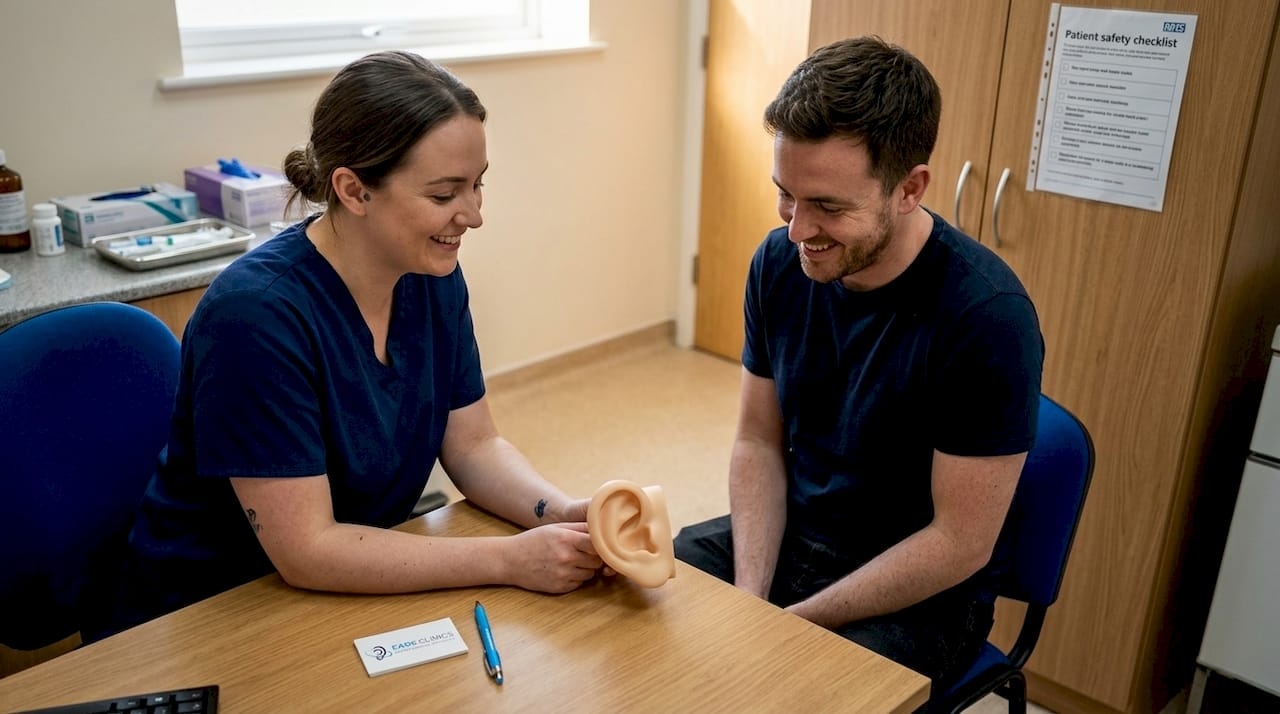
The procedure involves a trained specialist using a fine, low-pressure suction device under direct visualisation, typically with a microscope or loupe, to carefully remove wax from the ear canal. There is no water involved, which makes it suitable for people with perforated eardrums, mastoid cavities, or a history of ear infections. It is precise, controlled, and generally well tolerated.
Microsuction achieves success rates of over 90% with complication rates under 1%, making it the safest available method for professional wax removal.
Metric | Microsuction | Irrigation (syringing) |
Success rate | Over 90% | Around 70 to 80% |
Complication rate | Under 1% | Up to 30% (minor) |
Suitable for perforated eardrum | Yes | No |
Requires pre-softening | Recommended but not always required | Usually required |
Procedure time | 15 to 30 minutes | 20 to 40 minutes |
Key benefits of microsuction include:
High efficacy even for hard, impacted wax
Minimal discomfort for most patients
Safe for complex cases, including those with hearing aids, infections, or previous ear surgery
No mess from water, unlike irrigation
Immediate results with no recovery time needed
On the NHS, microsuction tends to be reserved for patients with contraindications to irrigation. Private clinics often offer it as the first-line treatment, which is one reason many patients in Scotland choose to go private for ear care. If you want to understand how microsuction works in detail, or explore the advantages of microsuction over other methods, both are worth reading before your appointment.
A clear path: Balancing access and over-treatment in ear healthcare
The NHS conservative approach, requiring drops first and reserving microsuction as a last resort, is not simply about managing costs. It reflects a genuine clinical principle: avoid unnecessary procedures where natural resolution or simple self-care is possible. That caution deserves respect, even when it feels frustrating.
At the same time, the private sector’s promotion of prompt microsuction as the gold standard can sometimes tip into over-intervention. Not every patient with mild wax build-up needs an immediate clinical procedure. The uncomfortable truth is that waiting, combined with consistent use of softening drops, is often the safest and most appropriate course of action.
The right answer lies in honest self-assessment. Is your quality of life genuinely affected? Have you tried drops consistently? Are there risk factors that make self-care inappropriate? These questions matter more than the urgency of a clinic’s booking page. We encourage you to explore making the right ear care choice with clear information rather than anxiety or marketing pressure. Evidence and safety should always lead the decision.
Trusted ear care in Scotland: Take the next step safely
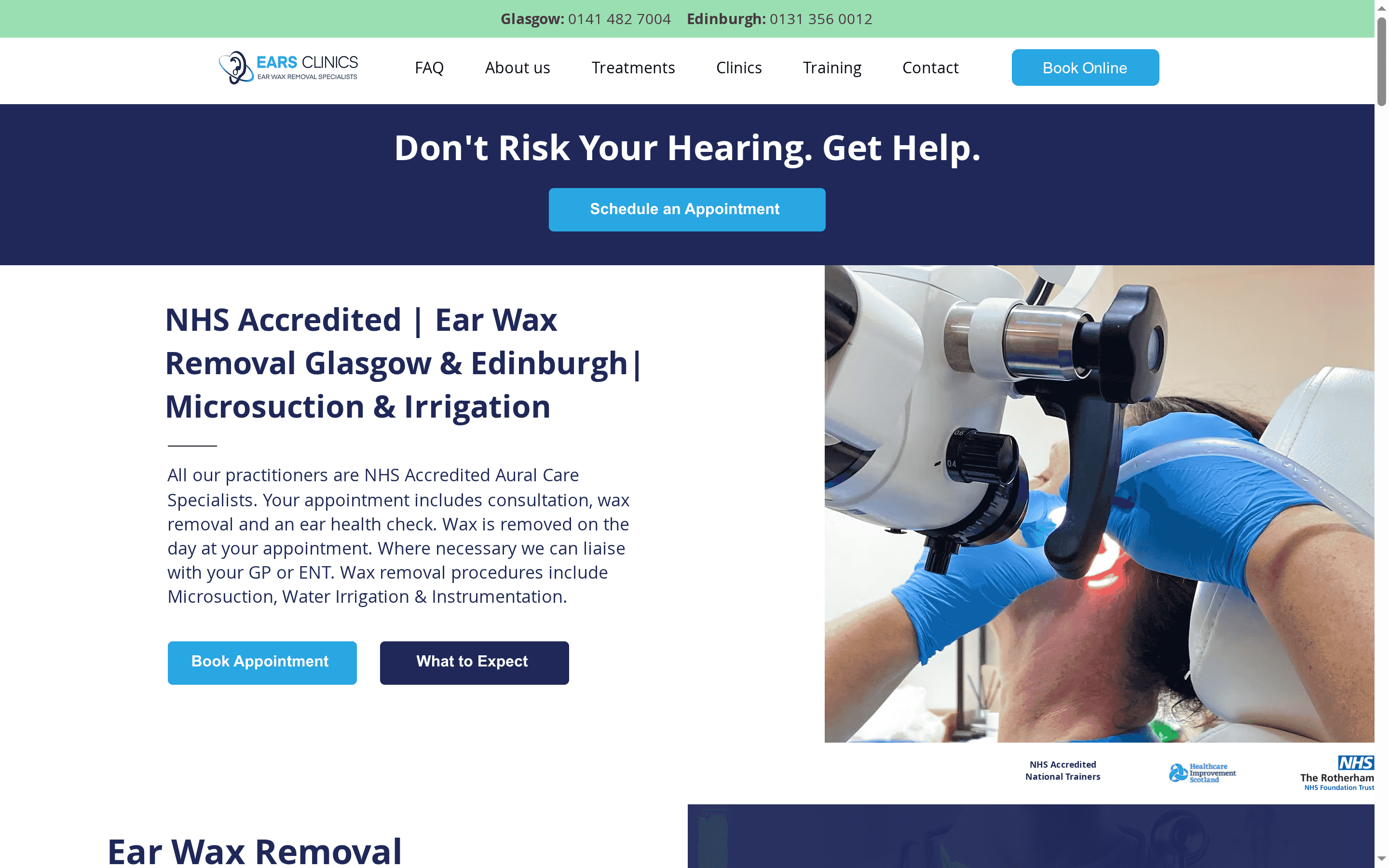
If home care has not resolved your symptoms, or if you simply want the reassurance of a professional assessment, EARS Clinics offers accredited, expert ear wax removal across Glasgow and Edinburgh. As a Healthcare Improvement Scotland registered provider, every procedure is carried out by NHS-accredited Aural Care Specialists using the safest, most effective techniques available.
Whether you are considering your first appointment or exploring options for a child or family member, you can see all accredited ear wax removal procedures to understand what is available. For healthcare professionals interested in expanding their skills, microsuction training courses are also offered. When you are ready, book an accredited ear check with confidence, knowing you are in safe, regulated hands.
Frequently asked questions
Can I remove ear wax with cotton buds or candles?
No, both methods are unsafe. Cotton buds compact wax further into the canal, and ear candles carry risks of burns, injury, and introducing additional material into the ear.
How long should I use ear drops before seeking professional help?
NHS guidelines recommend using olive oil or sodium bicarbonate drops consistently for up to two weeks before considering professional removal, provided symptoms are not severe.
Is microsuction available on the NHS in Scotland?
Yes, but access is limited. Only 11 of 14 health boards provide a full ear wax removal service, and NHS waiting times typically range from two to eight weeks or longer.
What makes microsuction safer than syringing?
Microsuction has a success rate over 90% and a complication rate under 1%, and it does not use water, making it safe for patients with perforated eardrums or a history of ear conditions.
Recommended