
Why prompt ear care matters for safe wax removal
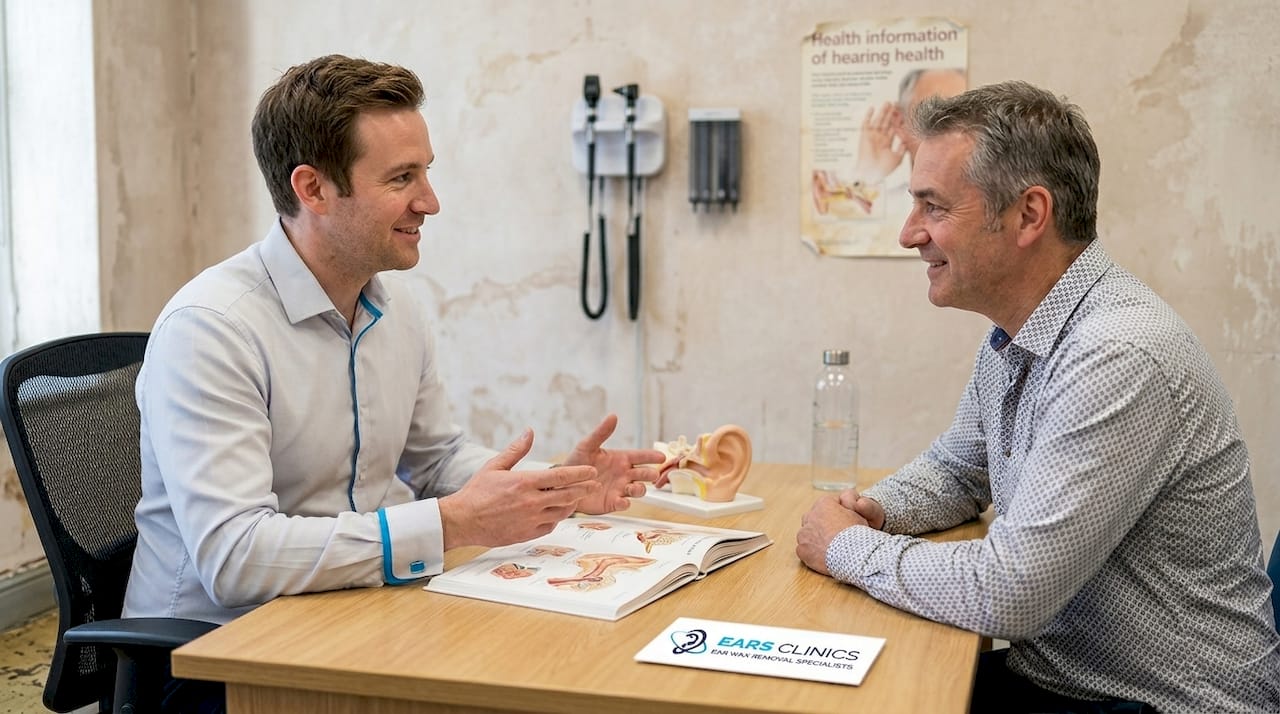
Nearly one in five adults experiences ear wax buildup, yet many delay seeking professional help, risking hearing loss and infections. Despite ear wax’s protective role, excessive accumulation can cause significant discomfort and health complications. Understanding when and how to address ear wax safely is crucial for maintaining optimal ear health. This guide explores why timely professional ear care matters, the safest removal methods available, and how to access expert services in Glasgow and Edinburgh for effective, comfortable treatment.
Key takeaways
Point | Details |
Prevalence and risk | Ear wax buildup affects 18.6% of adults and can cause hearing loss if untreated |
Gold standard method | Microsuction achieves over 90% success rates with minimal discomfort |
Professional expertise | NHS-accredited clinicians ensure safe removal without damaging ear canals |
Timely intervention | Prompt treatment prevents complications like infections and permanent hearing damage |
Accessible services | Glasgow and Edinburgh clinics offer same-day appointments for urgent needs |
Understanding ear wax and its impact on health
Ear wax, or cerumen, serves as the ear canal’s natural defence mechanism. It traps dust, bacteria, and foreign particles whilst lubricating the delicate skin inside your ears. This protective substance typically migrates outward naturally, but problems arise when wax accumulates faster than it can clear.
Blockage occurs through various mechanisms. Some people naturally produce more wax, whilst others have narrower ear canals that impede natural clearance. Using cotton buds often pushes wax deeper, compacting it against the eardrum. The prevalence is striking: cerumen impaction affects 18.6% of adults in the general population, rising to 32% among elderly individuals. Children aren’t exempt either, with 0.88% experiencing hearing loss directly attributable to ear wax buildup.
Ignoring symptoms creates a cascade of complications. Initial signs include:
Reduced hearing clarity or muffled sounds
Sensation of fullness or pressure in the ear
Persistent itching or discomfort
Tinnitus (ringing or buzzing sounds)
Occasional dizziness or balance issues
Without intervention, impacted wax can lead to painful infections, perforated eardrums, or significant hearing impairment. Children particularly struggle with undiagnosed wax buildup, which can affect speech development and academic performance. Elderly adults face increased fall risks when balance is compromised by severe impaction.

Regular monitoring becomes essential for prevention. Recognising early warning signs allows for timely professional assessment before complications develop. Following essential ear health care tips helps maintain optimal ear function and prevents unnecessary discomfort.
Pro Tip: Never insert cotton buds, hairpins, or other objects into your ear canal. These tools push wax deeper and risk puncturing the eardrum, creating far worse problems than the original buildup.
Safe methods and expert approaches to ear wax removal
Professional ear wax removal employs several evidence-based techniques, each with distinct advantages. Understanding these methods helps you make informed decisions about your ear care.
Microsuction stands as the gold standard approach. This technique uses gentle suction through a fine tube whilst the clinician views the ear canal through a microscope or loupe. Microsuction achieves success rates exceeding 90% with minimal patient discomfort. The procedure offers precise control, allowing clinicians to remove wax without touching the ear canal walls or eardrum. It’s particularly suitable for patients with perforated eardrums, narrow canals, or previous ear surgery.
Irrigation involves flushing the ear canal with warm water to dislodge wax. Whilst effective for soft wax, it carries higher risks of perforation or infection if not performed correctly. Some patients experience temporary dizziness from the water pressure. Ear drops containing softening agents like olive oil or sodium bicarbonate can help loosen wax before removal, though evidence for their standalone effectiveness remains limited.
| Method | Success Rate | Comfort Level | Suitable For | | — | — | — | | Microsuction | Over 90% | High | All patients, including those with ear conditions | | Irrigation | 70-85% | Moderate | Patients with soft wax and intact eardrums | | Manual removal | 80-90% | Moderate | Visible wax near canal entrance | | Softening drops | Variable | High | Mild buildup or pre-treatment preparation |
Clinical guidelines from NICE emphasise professional assessment before any removal attempt. Trained clinicians evaluate your ear health, identify contraindications, and select the most appropriate method for your specific situation. This personalised approach minimises risks whilst maximising effectiveness.
Safety protocols are particularly crucial for vulnerable groups. Children require extra care due to their smaller ear canals and heightened anxiety. Elderly patients often have drier, harder wax that demands gentler techniques. The microsuction procedure guide explains how specialists adapt their approach for different patient needs.
Pro Tip: Book your appointment when you first notice symptoms rather than waiting for severe impaction. Early intervention allows for quicker, more comfortable removal with better outcomes.
Specialised equipment ensures precision and safety throughout the procedure. Clinicians use:
Otoscopes with high-intensity lighting for detailed canal examination
Calibrated suction devices with adjustable pressure settings
Sterile, single-use instruments to prevent cross-contamination
Microscopes or loupes for magnified visualisation
These tools, combined with extensive training, enable clinicians to navigate the ear canal’s delicate structures without causing trauma. Understanding ear wax removal safety protocols helps you appreciate the expertise required for optimal outcomes. The microsuction procedure workflow demonstrates how each step prioritises your comfort and wellbeing.
Choosing professional ear care in Glasgow and Edinburgh
Selecting the right ear care provider significantly impacts your treatment experience and outcomes. Several key factors distinguish exceptional clinics from adequate ones.
NHS accreditation provides immediate reassurance about training standards and clinical protocols. Accredited practitioners complete rigorous education programmes and maintain ongoing professional development. They follow evidence-based guidelines and adhere to strict safety standards. When evaluating clinics, verify that all practitioners hold current NHS accreditation and relevant professional memberships.
Location convenience matters more than many realise. Ear problems often develop suddenly, causing significant discomfort that demands prompt attention. Clinics in central Glasgow and Edinburgh locations offer easier access via public transport and shorter travel times when you’re experiencing pain or hearing difficulties. Same-day appointment availability becomes crucial when symptoms escalate quickly.
Experience with specific procedures indicates clinical competence. Ask potential providers about their microsuction experience, including how many procedures they perform monthly. Clinics specialising in ear care typically handle hundreds of cases, developing refined techniques and problem-solving skills. Choosing an ear clinic requires evaluating both breadth and depth of expertise.
Patient safety protocols deserve careful scrutiny, particularly given ongoing health concerns. Examine:
Infection control measures, including instrument sterilisation procedures
Personal protective equipment usage by all staff members
Clinic cleanliness and hygiene standards
Emergency response protocols for adverse reactions
Follow-up care procedures and accessibility
The Glasgow ear wax removal safety tips outline what exemplary safety standards look like in practice. These protocols protect both patients and practitioners whilst ensuring optimal treatment conditions.
Pro Tip: Read recent patient reviews focusing on communication quality and post-procedure support. Excellent clinics don’t just remove wax effectively; they explain procedures clearly, answer questions patiently, and provide comprehensive aftercare guidance.
Accessibility extends beyond location to include appointment flexibility and inclusive care. Consider whether clinics offer:
Evening and weekend appointments for working adults
Home visit services for mobility-limited patients
Paediatric specialists for children’s ear care
Accessible facilities for wheelchair users
Clear pricing information without hidden fees
Edinburgh ear wax removal services demonstrate how comprehensive care addresses diverse patient needs. Prompt access prevents minor discomfort from escalating into serious complications requiring more intensive intervention.
What to expect during your ear wax removal appointment
Understanding the appointment process reduces anxiety and helps you prepare effectively. Professional ear wax removal follows a structured protocol designed for safety and comfort.
Initial assessment begins with a detailed discussion about your symptoms, medical history, and any previous ear problems. The clinician asks about hearing changes, pain levels, and what prompted you to seek treatment.
Comprehensive examination uses an otoscope to visualise your ear canal and eardrum. The clinician assesses wax quantity, consistency, and location whilst checking for signs of infection, perforation, or other abnormalities.
Treatment planning involves explaining the recommended removal method and answering your questions. The clinician describes what you’ll experience during the procedure and addresses any concerns.
The removal procedure typically takes 10 to 20 minutes per ear. For microsuction, you’ll hear a gentle humming sound as the device operates. Most patients report minimal discomfort, often describing it as slightly ticklish rather than painful.
Post-procedure review includes re-examining your ears to confirm complete wax removal and checking for any irritation. The clinician provides aftercare instructions and preventive advice.
Follow-up guidance covers recognising signs of recurring buildup and knowing when to schedule your next appointment.
The ear health checks what to expect guide offers additional detail about each assessment stage. Understanding the step by step ear wax removal process helps you feel confident and relaxed throughout your visit.
“The procedure was incredibly quick and painless. I could hear clearly again immediately afterwards, and the relief was instant. The clinician explained everything beforehand, which really put me at ease.”
Patient feedback consistently highlights several positive aspects. The speed surprises many people who expect lengthy procedures. The immediate hearing improvement often feels dramatic, particularly for those who’ve gradually adapted to reduced hearing over weeks or months. The comfort level exceeds expectations, with microsuction offering pain-free treatment that patients and clinicians prefer.
Aftercare advice typically includes avoiding water exposure for 24 hours, refraining from inserting objects into ears, and monitoring for any unusual symptoms. Some patients experience temporary sensitivity or slight itching as the ear canal adjusts, but these effects resolve quickly. The guide to safe microsuction explains how proper aftercare maintains the benefits of professional removal.
Discover professional ear care services in Scotland
Accessing expert ear care shouldn’t involve long waits or complicated processes. Professional services in Glasgow and Edinburgh combine clinical excellence with patient-centred convenience, ensuring you receive prompt, effective treatment when you need it most.
NHS-accredited practitioners bring rigorous training and proven expertise to every appointment. Their specialised knowledge of ear anatomy and removal techniques ensures safe, comfortable procedures regardless of wax severity or ear canal complexity. Healthcare Improvement Scotland registration guarantees adherence to the strictest clinical standards.
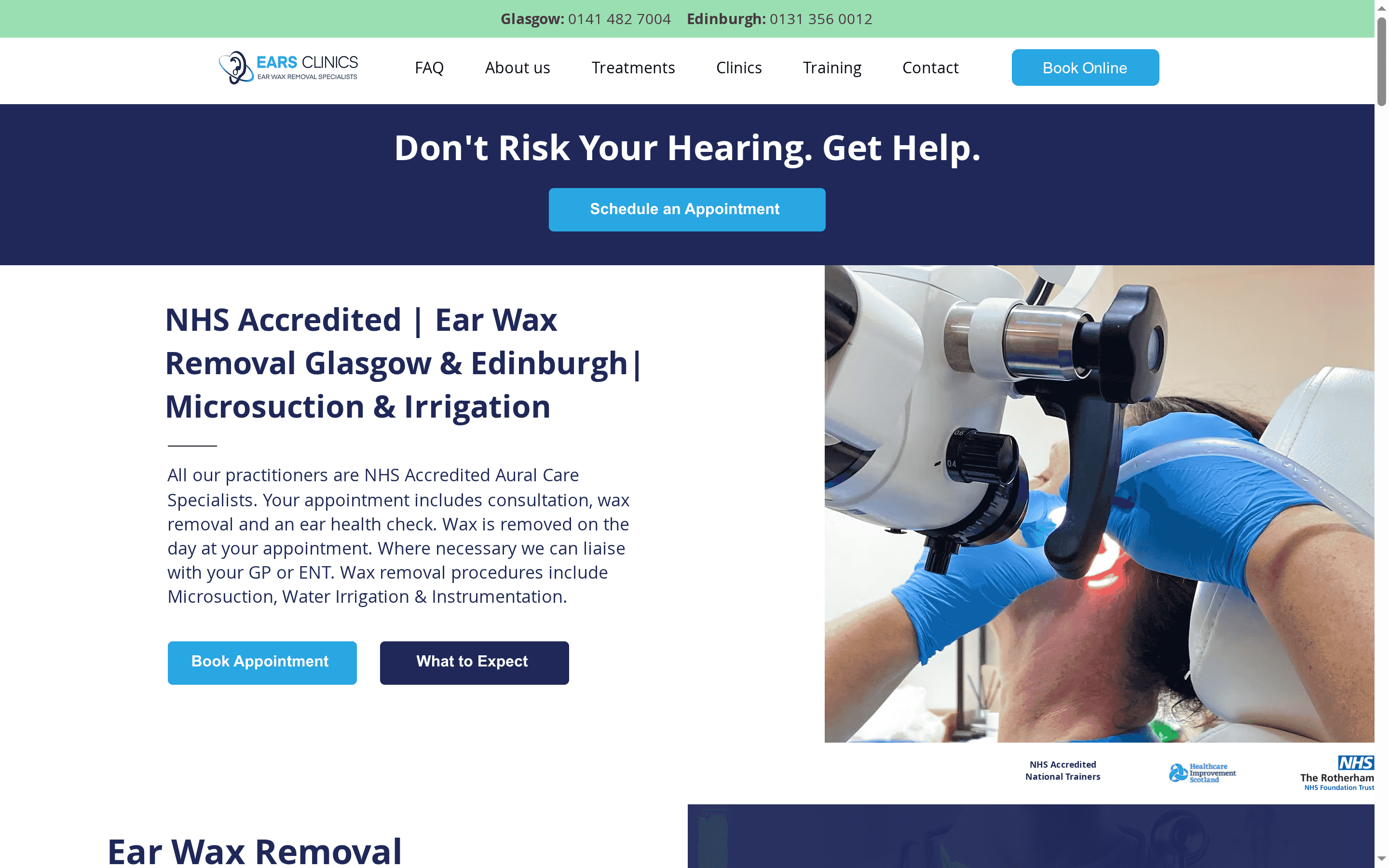
Conveniently located clinics across Glasgow and Edinburgh eliminate travel barriers to quality care. Same-day appointments address urgent needs, providing rapid relief when discomfort disrupts your daily life. Flexible scheduling accommodates working adults, parents managing family commitments, and anyone requiring prompt attention. Explore comprehensive ear wax removal procedures tailored to individual needs, from gentle microsuction to alternative methods when appropriate. The Edinburgh ears wax removal clinics offer accessible locations with expert teams ready to restore your hearing clarity. For immediate concerns, same-day ear wax removal ensures you don’t suffer unnecessarily whilst waiting for treatment.
Why is prompt ear care important?
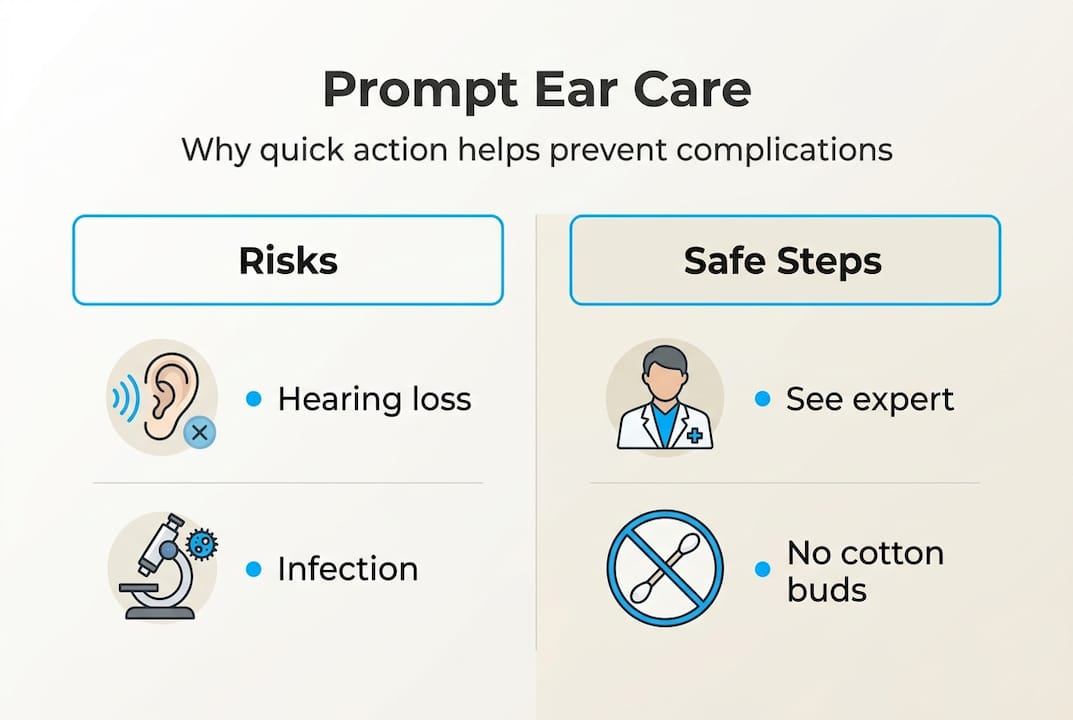
Delaying professional ear care transforms manageable problems into serious complications. Ear wax buildup progressively worsens, causing hearing loss, infections, and chronic discomfort that affect daily functioning. Early intervention removes wax before it becomes severely impacted, making the procedure quicker and more comfortable.
Professional removal eliminates risks associated with home remedies. Cotton buds, ear candles, and improvised tools frequently push wax deeper or damage delicate ear structures. Trained clinicians use specialised equipment and proven techniques that safely clear blockages without harming your ears. Choosing safe ear clinic services ensures you receive evidence-based care from qualified practitioners.
Prompt treatment delivers immediate benefits. Hearing clarity returns instantly after wax removal, eliminating the frustration of asking people to repeat themselves. Discomfort and pressure sensations disappear, whilst infection risks drop significantly. Many patients report improved balance and reduced tinnitus following professional ear care.
What makes microsuction the preferred ear wax removal method?
Microsuction’s exceptional safety profile and effectiveness establish it as the leading ear wax removal technique. The method achieves success rates exceeding 90% whilst minimising discomfort and complications. Unlike irrigation, microsuction doesn’t introduce water into the ear canal, eliminating infection risks and making it suitable for patients with perforated eardrums or previous ear surgery.
The procedure offers unmatched precision. Clinicians maintain direct visualisation throughout, carefully navigating around sensitive structures whilst removing wax completely. This controlled approach prevents the trauma sometimes associated with other removal methods. Most patients tolerate microsuction comfortably, experiencing only mild tickling sensations rather than pain.
Clinical guidelines and expert consensus consistently endorse microsuction as the optimal approach. Its versatility suits all patient groups, from young children to elderly adults with complex ear conditions. The safe microsuction guide explains why this method has become the gold standard for professional ear care across Scotland and beyond.
How do I know if I need professional ear wax removal?
Several clear indicators suggest you should seek professional assessment. Noticeable hearing reduction, particularly if sounds seem muffled or distant, often signals wax buildup. A persistent feeling of fullness or blockage in one or both ears indicates potential impaction. Discomfort, itching, or pain that doesn’t resolve within a few days warrants professional attention.
Tinnitus (ringing, buzzing, or humming sounds) frequently accompanies ear wax buildup. If you experience sudden hearing changes, discharge from your ear, or dizziness alongside other symptoms, book an appointment promptly. These signs suggest the wax may be pressing against your eardrum or affecting your inner ear function.
Avoid attempting self-removal if symptoms persist or worsen. Cotton buds, bobby pins, and similar objects cause more harm than good, potentially perforating your eardrum or pushing wax deeper. Home remedies like ear candles lack scientific support and carry burn risks. The ear wax removal guide clarifies when professional intervention becomes necessary and what to expect from expert care.
Can children safely receive professional ear wax removal?
Children absolutely can and should receive professional ear wax removal when needed. Paediatric ear care requires specialised techniques and extra patience, but trained practitioners safely treat children from age two onwards. Young patients often struggle to communicate ear discomfort clearly, making parental observation of behavioural changes crucial.
Watch for signs like frequent ear touching, difficulty hearing instructions, speech delays, or balance problems. Children with narrow ear canals or those who’ve had grommets inserted face higher wax buildup risks. Professional assessment identifies problems early, preventing complications that could affect language development or academic performance.
Child-friendly clinics create comfortable environments that reduce anxiety. Practitioners explain procedures in age-appropriate language and work quickly to minimise distress. Parents typically remain present throughout, providing reassurance and support. The gentle nature of microsuction makes it particularly suitable for paediatric patients, offering effective removal without frightening equipment or prolonged procedures.
Recommended